Brillat-Savarin: The French Cheese That Feels Both Familiar and New
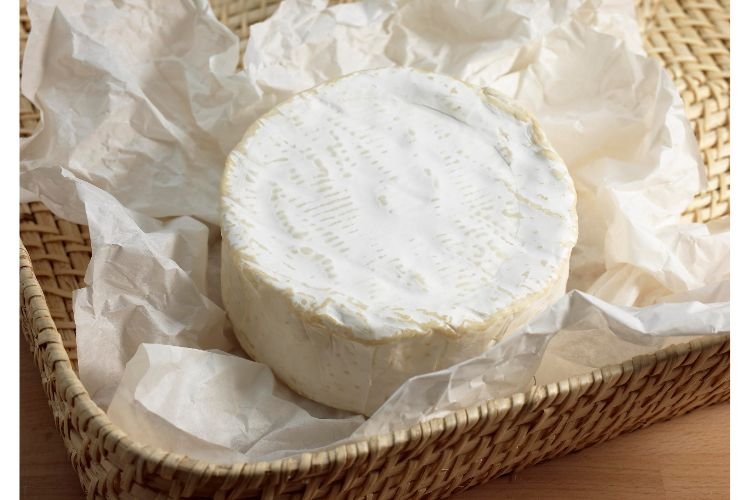
For all the French cheeses we fell in love with early on, Brillat-Savarin somehow took us a while to discover. Perhaps that’s not so surprising when you consider that France has around 1,200 varieties of cheese to work through. Still, once we finally picked up a package of this soft, creamy cheese, we were surprised by how unusual — and yet somehow familiar — it tasted.
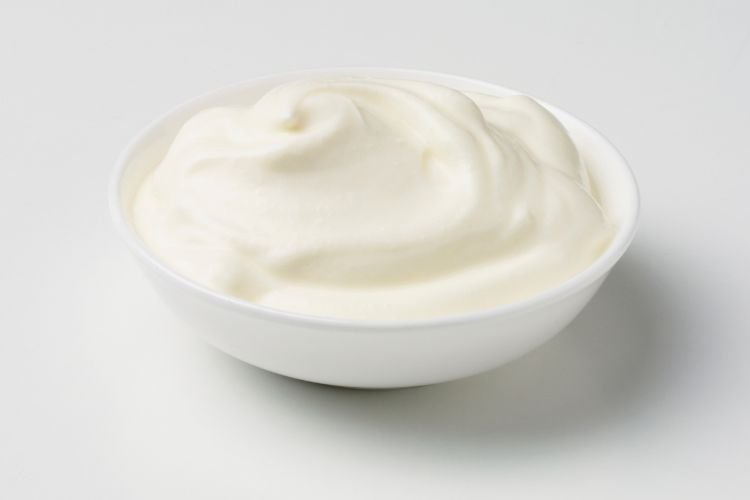
It’s the sort of cheese that feels instantly approachable, even if you’ve never tried it before. To us, it tastes a bit like a cross between cream cheese, Brie, and crème fraîche: rich and silky, but also bright and tangy. It has that fresh lactic quality that keeps it from feeling too heavy, and it’s just a little addictive.
What Brillat-Savarin tastes like
Brillat-Savarin is one of those cheeses that feels luxurious from the first bite. It’s soft, rich, and creamy, with a fresh dairy zing that gives it some lift.
When it’s young, that tanginess is what stands out most. The texture is smooth and lush, and the flavor feels fresh, cultured, and almost mousse-like. That’s the version we prefer. As it ripens, though, it becomes softer and more intense, with more mushroomy, earthy, and slightly hazelnut-like notes. The older version is delicious too, but we’re partial to the younger one, when the freshness still leads.
It’s in the family of soft bloomy-rind cheeses, but it usually feels richer than a standard Brie. The kind I buy at Hyper U is labeled at around 33% fat, which helps explain that extra creamy, indulgent feel.
A little background on its origins
Brillat-Savarin was first made in the area around Forges-les-Eaux in Normandy under names such as Excelsior or Délice des gourmets. It was later renamed in honor of Jean Anthelme Brillat-Savarin, the famous French writer and gastronome.
What makes it distinctive is the added cream. Brillat-Savarin is made from cow’s milk enriched with cream, which gives it its famously rich triple-crème character. The milk and cream are cultured, gently set, drained, salted, and then left to develop the soft white bloomy rind that gives the cheese its character.
Some Brillat-Savarin is sold quite young, while other versions are allowed to mature longer. That’s why the same cheese can taste fresher and tangier at one stage, or softer, butterier, and more mushroomy at another. It also helps explain why people can come away with very different impressions of it depending on when they try it.
How to serve Brillat-Savarin
The obvious answer is on baguette, and yes, it’s wonderful that way.
But I’ll be honest: we also love it on Ritz crackers, which I realize may not be the most French pairing imaginable. Still, there’s something about that salty, buttery crunch with such a lush, creamy cheese that just works.
If you want to make it feel a little more French and a little less pantry-snack-inspired, it’s also excellent with fresh bread, neutral crackers, grapes, pears, or even a glass of Champagne or Crémant. Because it’s so rich, a little goes a long way. It’s the kind of cheese that feels special even in a small portion, whether you’re putting together a cheese board or just making a simple apéro plate at home.
How long does it keep?
Like most soft bloomy-rind cheeses, Brillat-Savarin is best treated as something to enjoy relatively soon rather than stash away for weeks.
The safest approach is to keep it refrigerated, wrap it well so it doesn’t dry out, and enjoy it within a few days of opening for the best texture and flavor. Bring it out a little before serving so it can soften slightly. If it starts smelling strongly of ammonia or seems clearly past its prime, it’s time to let it go.
A French Cheese Worth Discovering
With so many cheeses to discover in France, it’s no surprise that this one took us a while to find. But now that we have, Brillat-Savarin has become one of those cheeses we pick up when we want something especially rich and delicious, or when we have visitors and want to share a French cheese that feels a little indulgent and memorable.
If you live outside France, it may take a little more effort to track down, but it’s worth checking a good specialty cheese shop. If you find it, especially a fresh one, it’s absolutely worth trying. It may not be the most famous French cheese, but it just might become one of your favorites, too.
If you love discovering rich French cheeses, Mont d’Or is another favorite worth reading about — very different from Brillat-Savarin, but every bit as memorable. And if that fresh, tangy dairy flavor is part of what appeals to you here, my post on making cottage cheese might be of interest.