Tourtour, France: Discover the Haut-Var’s “Village in the Sky”
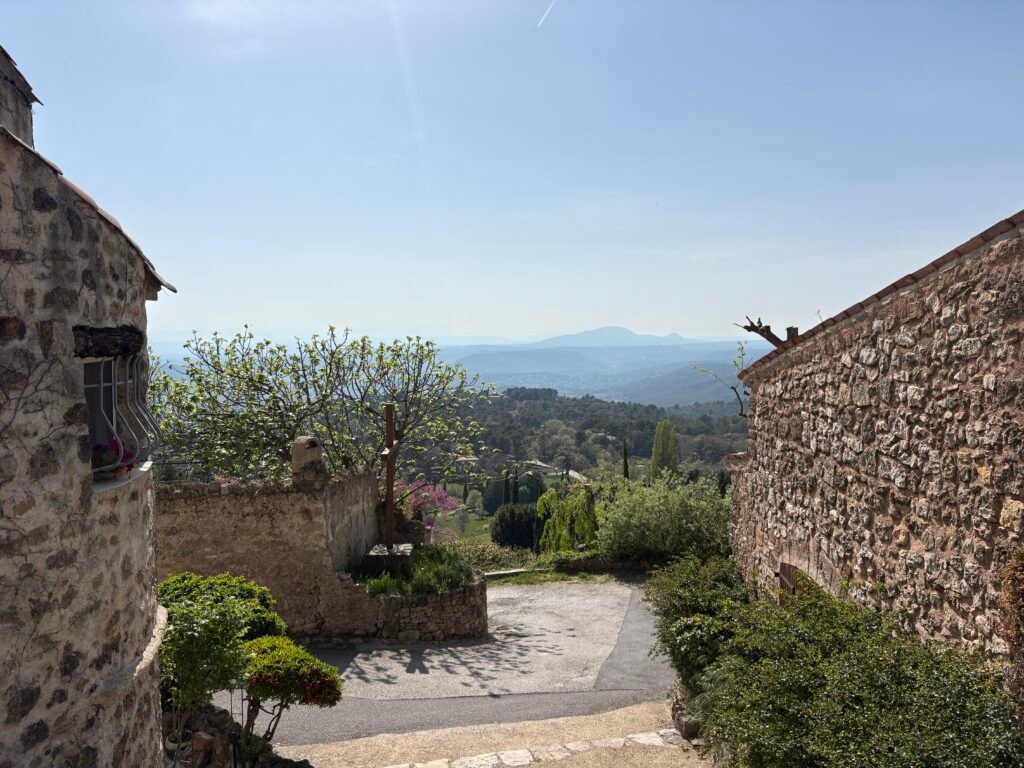
If you love hilltop villages, old stone streets, shady squares, and sweeping Provençal views, Tourtour is the kind of place that will steal your heart.
Known as “the village in the sky of Provence,” Tourtour is one of those rare villages that feels both postcard-perfect and genuinely lived-in. It has the beauty people dream about when they imagine inland Provence: honey-colored stone houses, fountains, ivy and flowers spilling over old walls, little café terraces, and long views across the Var countryside.
It is officially listed among Les Plus Beaux Villages de France, and once you wander through its narrow lanes and step out onto one of its panoramic viewpoints, it is easy to see why.
The unusual name “Tourtour” is often linked to the old Celtic root tur or tör, meaning a height or summit — fitting for a village built on two high points, with Saint-Denis church to the east and the old château to the west.
If you are exploring the region and want a village that feels peaceful, elegant, and unmistakably Provençal, this charming village deserves a spot on your list.
Where Is Tourtour?
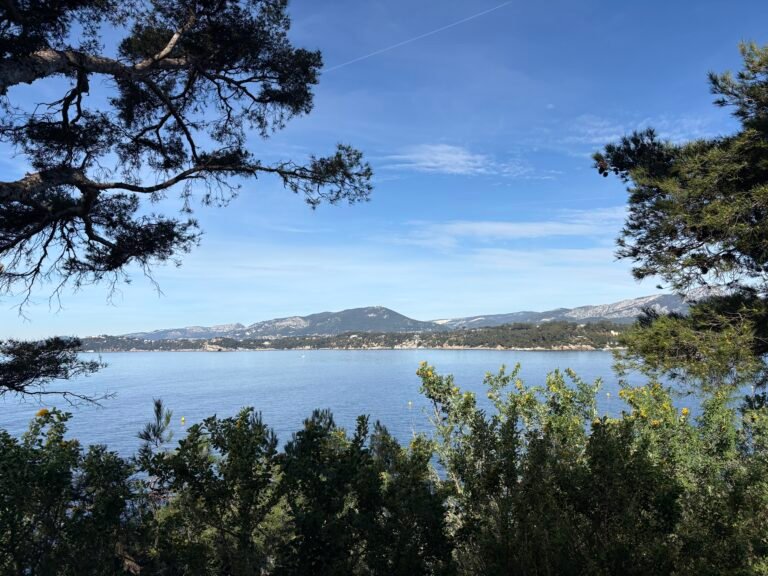
Tourtour is located in the Var department in Provence, in the inland area often called the Haut-Var. It sits at an elevation of around 635 meters (about 2,080 feet), which gives it those famous wide-open views over the surrounding landscape.
The village is a lovely stop if you are exploring this part of Provence between the Gorges du Verdon and the Côte d’Azur. It feels tucked away and tranquil, yet it is still easy to pair with other charming villages and scenic drives in the region.
One of the best things about Tourtour is that it gives you that dramatic perched-village beauty without the rushed feeling some of the more heavily visited places can have.
A Little History of Tourtour
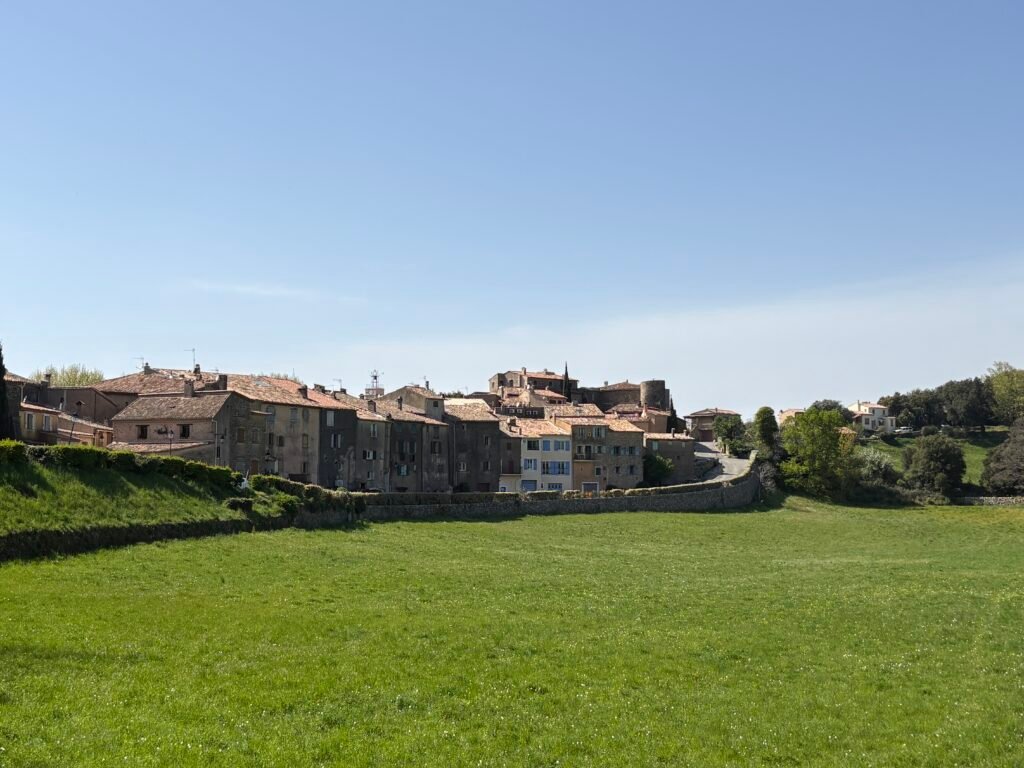
Like many perched villages in Provence, Tourtour’s appeal is closely tied to its long history. The wider area dates back to prehistoric times, but the village itself developed mainly during the Middle Ages, when high, defensible locations were especially important.
Over time, the village grew around fortified structures and defensive walls, and traces of that past can still be seen today. Tourtour is known for having had three successive ramparts, an old medieval chateau, and a 17th century communal chateau which now houses the town hall. As you walk through the village, you can still feel that layered medieval history in its gates, winding streets, and old stone buildings.
But Tourtour does not feel like a museum piece. It feels like a place where history has simply settled into everyday life. That is part of its charm. The village has preserved its character beautifully, while still feeling warm, local, and alive.
Top Highlights in Tourtour
1. Wander the old village streets
The village itself is the main attraction.
Tourtour is made for slow wandering. Its narrow lanes twist between old stone houses, vaulted passages, little stairways, shaded corners, and open squares. Everywhere you look, there is another beautiful detail: a carved doorway, a weathered shutter, a fountain, a climbing vine, or a view opening unexpectedly between buildings.
This is the sort of village where it is best not to rush. Walk slowly, let yourself get a little lost, and enjoy the atmosphere.
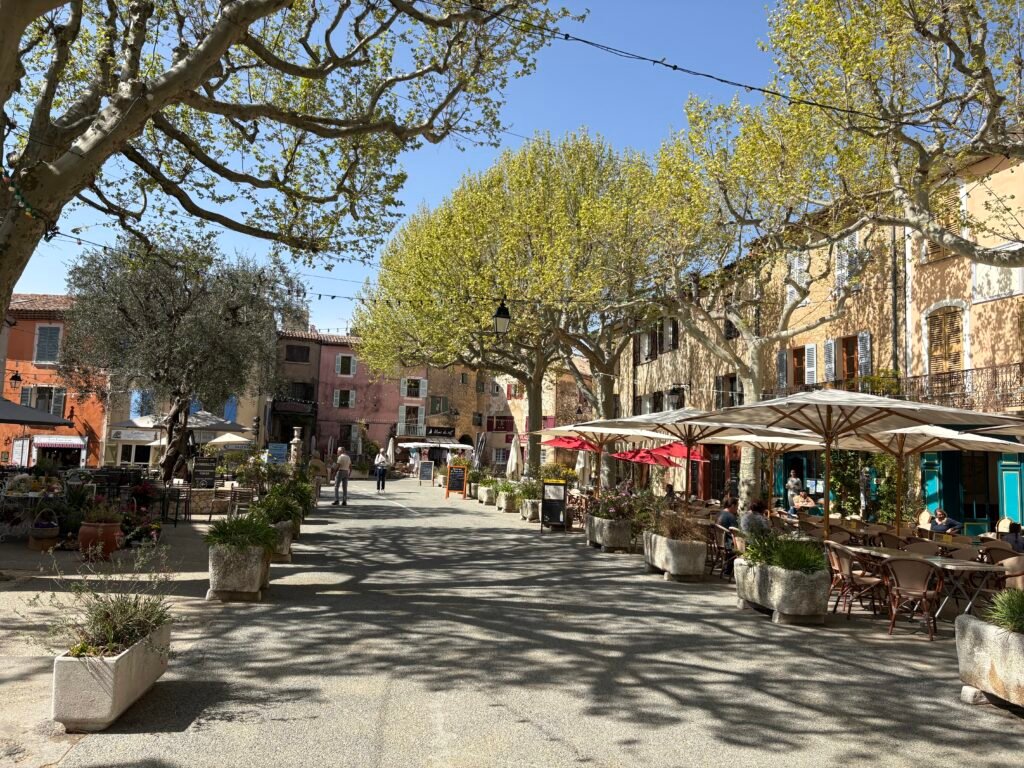
2. Spend time in the village square
Like so many wonderful villages in Provence, Tourtour has a central square that invites you to linger.
The Place des Ormeaux is one of the heartbeats of the village, lined with plane trees, cafés, and the easy rhythm of Provençal village life. It is the perfect place to stop for a coffee, an apéritif, or lunch under the trees.
If you are the type of traveler who loves to sit and soak in a place rather than just check off sights, this square is part of what makes Tourtour so memorable.
3. Visit the Église Saint-Denis
The Église Saint-Denis is one of Tourtour’s most important historic landmarks. This Romanesque church adds to the village’s quiet sense of age and authenticity, and its setting is especially beautiful.
What makes this stop even more worthwhile is the view nearby. The church area offers one of the best panoramic spots in the village, with the countryside stretching out below in all directions. On a clear day, the setting feels almost endless.
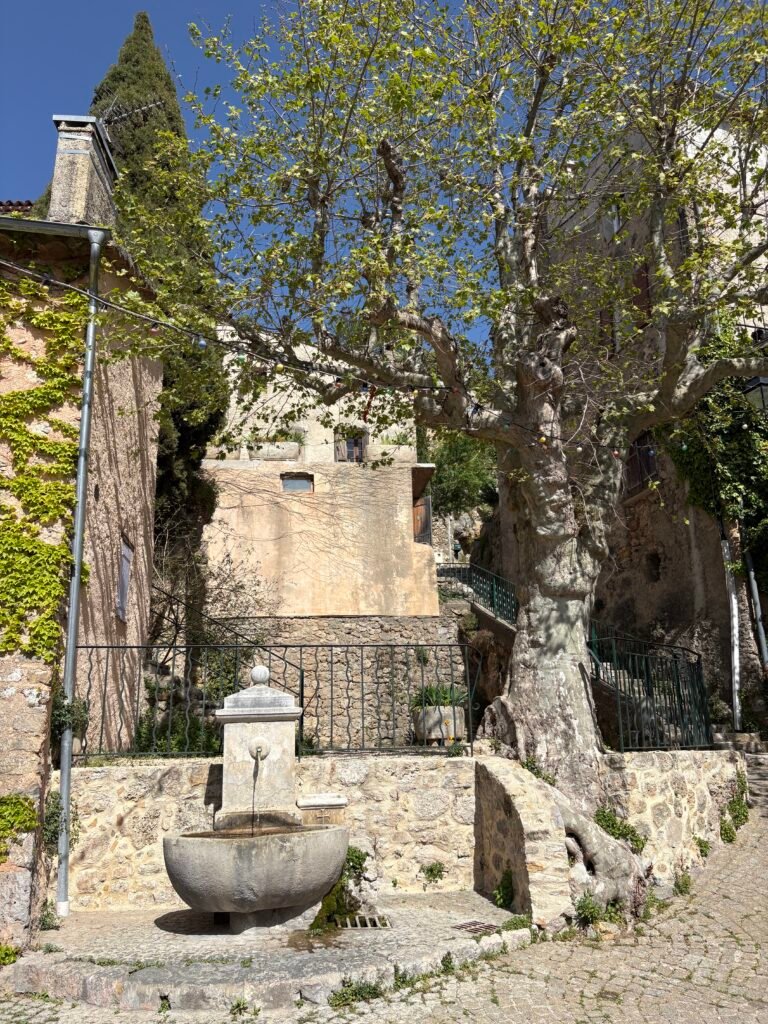
4. Look for the fountains, washhouse, and old village details
Tourtour is often associated with water, which gives it an extra layer of charm. The village is known for its eight fountains, its old washhouse, and a long-standing water network of springs, channels, and flowing water features that once helped animate daily life here. Municipal documents even describe a historic “water trail” through the village, linking washhouses, canals, fountains, a cascade, and the old mill
As you explore, keep an eye out for these small details. They are part of what gives Tourtour its personality. In Provence, villages are often remembered not only for major monuments, but for their fountains, stones, shade, and daily beauty. Tourtour is especially rich in that kind of charm.
5. Climb up to the Tour de Grimaldi
Another official highlight is the Tour de Grimaldi, a 12th- or 13th-century tower with panoramic views over the surrounding region, from Sainte-Victoire to the Esterel.
For visitors who enjoy a bit of medieval history along with their village wandering, this is one of Tourtour’s most distinctive landmarks. It is the kind of sight that reinforces the sense that this village has long been shaped by its height, its position, and its relationship to the surrounding landscape.
6. Visit the communal olive oil mill
One of Tourtour’s most distinctive heritage sights is its communal olive oil mill. This traditional moulin à huile dates to the 17th century and is one of the last mills in the area still described as operating the old way, using water power from its waterwheel. It runs during the olive season, generally from November to February, when local growers bring in their olives to be pressed in the traditional method.
7. Visit the Fossil Museum Victor Zaneboni
If you want one highlight that makes Tourtour feel even more distinctive, include the Musée des Fossiles Victor Zaneboni. This municipal museum houses more than 1,000 rocks and fossil specimens from the Haut-Var, many of them originally assembled and later bequeathed to the commune by local scholar Victor Zaneboni (1917–1999).
Beyond the Village: Olive Country and Nearby Stops
One of the things that makes Tourtour especially appealing is that it does not feel like an isolated postcard village. It is part of a wider landscape shaped by olive groves, hilltop roads, old villages, and the slower rhythms of inland Provence.
That is where the Route de l’olivier du Haut-Var adds another layer to a visit. The olive tree is one of the emblematic trees of the Mediterranean basin, one that has shaped both the landscapes and identity of the region. Along this route, olive groves spread across well-drained slopes and terraced hillsides, and local producers and mills help tell the story of Provençal olive oil through visits, tastings, and traditional know-how. The route also highlights the richness of local olive varieties and the aromatic character of the area’s oils.
Tourtour is not only a beautiful village to wander for an hour or two. It also makes a wonderful base or stop within a broader day of discovering inland Provence. A stop here pairs beautifully with several nearby destinations. Villecroze-les-Grottes is one of the most appealing, with its medieval streets, sunlit tufa cliff, and troglodyte caves, while Aups is another classic stop in the Haut-Var. Farther north, the Gorges du Verdon make a spectacular addition that is absolutely worth the drive.
Tourtour is Worth the Detour
Tourtour is one of those villages that reminds you why inland Provence can be every bit as captivating as the coast.
If you are looking for a place that feels scenic, peaceful, and unmistakably Provençal, Tourtour is absolutely worth a visit.. And if you let it be more than a quick photo stop — if you linger in the square, wander the lanes, and connect it to the olive route or a few nearby villages — it becomes not just a pretty stop, but one of the most memorable windows into the quieter side of Provence.