Crème Fraîche vs. Sour Cream: Understanding the Difference in France
One of the adventures of moving to a new country is figuring out what to do when a favorite ingredient isn’t readily available. Sometimes there’s an obvious substitute waiting on the shelf. Other times, you discover that the locals use something completely different, and before long, you find yourself changing recipes and adopting new favorites. In some cases, you may even find that you prefer the local ingredient to the one you left behind.
That was my experience with crème fraîche in France. Over time, I learned that while the two products share some similarities, crème fraîche has its own unique qualities that help explain why it is such a staple in French kitchens. Its rich texture, mild tang, and versatility have won over many expats, myself included.
What Is Crème Fraîche?
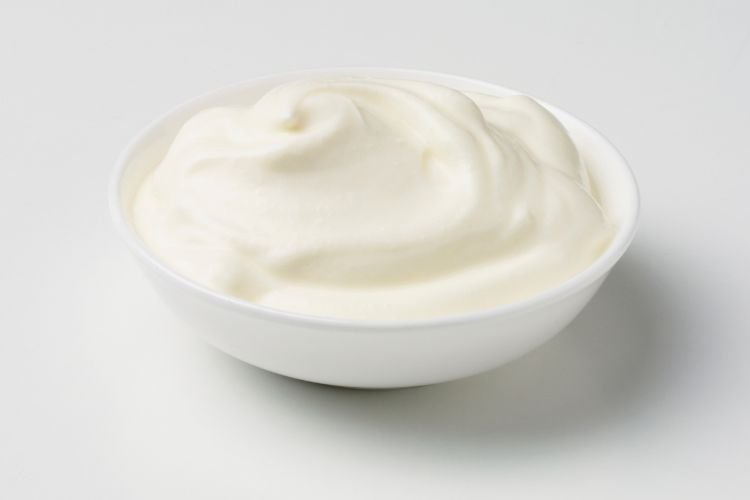
Crème fraîche is a cultured cream made by adding beneficial bacteria to cream. As the bacteria ferment the cream, it thickens and develops a mild tangy flavor. The result is a rich dairy product that has been a staple of French cooking for generations.
In France, crème fraîche is used in everything from sauces and soups to desserts and pastries. It is one of those ingredients that quietly appears throughout French cuisine, adding richness without overwhelming other flavors.
One reason crème fraîche is so highly regarded is its relatively high fat content. Traditional French crème fraîche is typically made with cream containing around 30% fat or more, which gives it a luxurious texture and smooth mouthfeel.
Is Crème Fraîche the Same as Sour Cream?
Not exactly. Both crème fraîche and sour cream are cultured dairy products made by fermenting cream with lactic acid bacteria. That shared process gives them their characteristic tang and creamy consistency.
The biggest differences are fat content and flavor. Traditional French crème fraîche is generally richer, more refined, and milder than American sour cream. While sour cream has a distinctly tart, acidic taste, crème fraîche is usually smoother and less sharp.
The higher fat content also affects texture. Both products are thick, but crème fraîche tends to feel silkier and more luxurious. This richness is one of the reasons French cooks use it so frequently.
Why French Cooks Love Crème Fraîche
Another advantage of crème fraîche is that it handles heat exceptionally well. Because of its higher fat content, it can be stirred into hot soups and sauces without curdling. Sour cream is more likely to separate when exposed to high temperatures.
This versatility helps explain why crème fraîche became such a cornerstone of French cooking. It works equally well in savory dishes and desserts, making it one of the most useful ingredients in a French kitchen.
Why You Rarely See Sour Cream in France
Many Americans are surprised to discover that sour cream is not a common ingredient in France. French cooking evolved around crème fraîche instead, so supermarkets devote significant shelf space to different varieties of crème fraîche while sour cream is often unavailable outside of specialty international stores.
For most French cooks, crème fraîche fills the same culinary role that sour cream does in North America. As a result, there was never much demand for a separate sour cream product.
The Different Types of Crème Fraîche in France
When shopping in France, you’ll encounter several types of crème fraîche. Understanding the labels can help you choose the right one.
Crème Fraîche Épaisse
The word épaisse means “thick.” This is the version most Americans compare to sour cream because it is spoonable and commonly used as a topping or ingredient in recipes. It is available in both full-fat and reduced-fat varieties.
Crème Fraîche Légère
The word légère means “light,” but it refers to fat content rather than texture. A crème fraîche can be both épaisse and légère at the same time.
Many reduced-fat versions contain around 15% to 20% fat, which is remarkably close to the fat content of typical American sour cream. For that reason, many expats find that crème fraîche légère épaisse feels the most familiar in dishes where they would normally use sour cream, such as baked potatoes, tacos, or chili.
Crème Fraîche Liquide
The word liquide means “liquid” or “pourable.” This version resembles heavy cream and is commonly used in sauces, soups, gratins, and desserts. Like crème fraîche épaisse, it is available in both full-fat and reduced-fat versions.
Which Crème Fraîche Is Closest to Sour Cream?
If you’re looking for the closest equivalent to American sour cream, crème fraîche légère épaisse is usually the best place to start. Its fat content is similar to the sour cream sold in the United States, and it has the thick consistency most people expect.
That said, it is not an exact match. Even reduced-fat crème fraîche generally has a milder flavor and less tang than American sour cream.
If you want to experience crème fraîche the way it is traditionally used in French cooking, choose crème fraîche épaisse entière. It is richer, creamier, and more representative of the product French cooks have relied on for generations.
How French People Use Crème Fraîche
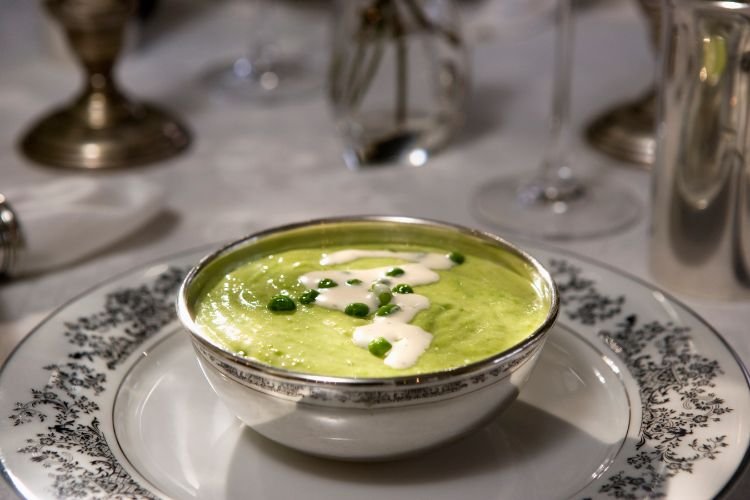
Crème fraîche appears in an astonishing variety of French dishes. It is commonly stirred into soups and sauces, spooned into quiches, used in potato dishes, and paired with fish and seafood. It also shows up in desserts, cakes, pastries, and crêpes.
In some regions, it is perfectly normal to serve a dollop of crème fraîche alongside fresh strawberries, peaches, or other seasonal fruit. Its mild flavor makes it versatile enough to move seamlessly between sweet and savory dishes.
Frequently Asked Questions
Is crème fraîche healthier than sour cream?
Neither product is necessarily healthier than the other. Traditional crème fraîche contains more fat and calories than sour cream, while reduced-fat versions are often quite similar nutritionally.
Can I use crème fraîche instead of sour cream?
In most situations, yes. Crème fraîche works well as a topping, dip ingredient, or addition to recipes. Just keep in mind that it has a richer texture and milder flavor.
Why doesn’t crème fraîche curdle in hot dishes?
Its higher fat content helps stabilize it when heated, making it much less likely to separate in soups and sauces.
What is the closest French product to American sour cream?
For most Americans, crème fraîche légère épaisse is the closest match because it combines a similar fat content with the thick texture people expect from sour cream.
The Takeaway
Although crème fraîche and sour cream share similar origins, they are not identical products. French crème fraîche is generally richer, milder, and more versatile in cooking. Those differences help explain why it became such an important part of French cuisine.
For visitors and expats in France, understanding the various types of crème fraîche can make navigating the dairy aisle much less confusing. If you’re looking for something similar to American sour cream, start with crème fraîche légère épaisse. If you’d like to experience crème fraîche as the French traditionally use it, reach for crème fraîche épaisse entière. After a few meals, you’ll likely understand why it has earned a permanent place in French kitchens.