Top Apéritifs in France: What the French Drink Before Dinner
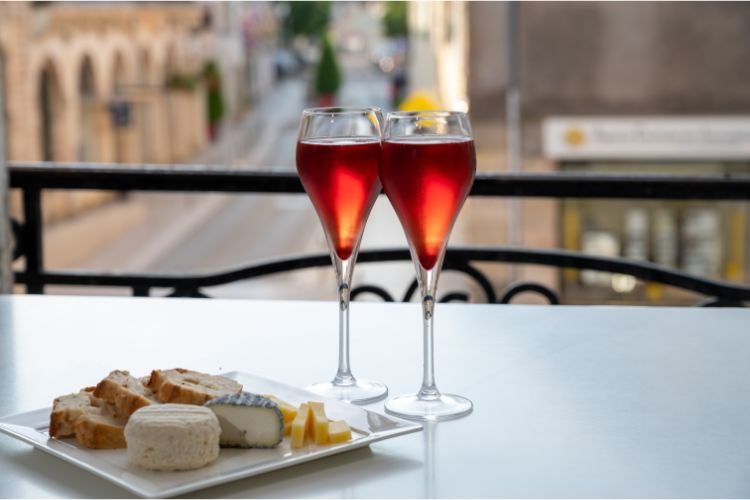
In France, the apéritif (often shortened to l’apéro) isn’t just a drink. It’s the pause between the workday and dinner, a moment to slow down, chat, nibble, and gently wake up the appetite.
I still remember my very first proper apéritif, on a family trip to southern France before we lived here. We were sitting in a sun-washed plaza in old Antibes, enjoying the early evening, when my college-aged son—who’d studied French for years—suggested we try a Kir. It was such a charming introduction to the French apéro, shaped as much by the atmosphere around us as by what was in the glass. One sip in, and I understood why the French love this ritual so much.
Whether you’re visiting France, living here, or just curious about French food culture, understanding apéritifs gives you real insight into everyday French life. Here are the top apéritifs in France, how they’re typically served, and when you’ll most often see them on the table.
What Is an Apéritif in France?
An apéritif is a drink served before a meal to stimulate the appetite. It’s usually:
- Light to moderate in alcohol
- Served in small glasses
- Paired with simple snacks (olives, nuts, chips, saucisson)
Apéritifs are typically enjoyed between 6 and 8 p.m., often with friends or family. They’re meant to be sipped slowly, not rushed.
The Top Apéritifs in France (and How They’re Served)
1. Pastis
Pastis is one of the most iconic French apéritifs, especially in the south of France. This is a very casual, social apéritif — especially common at outdoor cafés in Provence.
Flavor profile: Anise (licorice-like), aromatic
Popular brands: Ricard, Pernod
Typical serving:
- Served with cold water, never straight
- Ratio is usually 1 part pastis to 5 parts water
- Ice cubes may be added after the water
- Turns cloudy when diluted (completely normal)
2. Kir & Kir Royal
Kir is more everyday; Kir Royal is more celebratory, but both are staples when guests arrive.
Kir
- White wine (usually Aligoté) + crème de cassis
Kir Royal
- Champagne + crème de cassis
Typical serving:
- Always well chilled
- Served without ice
- Cassis is added first, then wine or Champagne
3. Lillet
Lillet is a fortified wine apéritif from Bordeaux that’s become increasingly popular again. It’s elegant but easy — a favorite for at-home apéros.
Flavor profile: Lightly sweet, citrusy, herbal
Varieties: Blanc, Rouge, Rosé
Typical serving:
- Served very cold
- Often over ice cubes
- Garnished with lemon or orange peel
4. Pineau des Charentes
Less known outside France, Pineau des Charentes is beloved by those who know it. This is a great “discovery” drink for visitors.
Flavor profile: Sweet, smooth, lightly boozy
Base: Grape must fortified with Cognac
Typical serving:
- Served chilled, no ice
- Small wine glass
- White Pineau before dinner, red sometimes after (but still technically an apéritif)
5. Suze
Suze is unmistakably French — bright yellow and boldly bitter. It’s not sweet and not for everyone — but very traditional.
Flavor profile: Bitter, earthy (gentian root)
Typical serving:
- Over ice
- Often topped with tonic water or soda
- Lemon slice optional
6. French Vermouth
French vermouth is drier and more subtle than many Italian versions. Quietly sophisticated and very French.
Popular producers:
- Noilly Prat
- Dolin
Typical serving:
- Served chilled
- Sometimes over ice with citrus peel
- Occasionally lengthened with a splash of sparkling water
7. Champagne (as an Apéritif)
In France, Champagne isn’t reserved only for big celebrations. Often chosen when hosting guests or starting a special meal.
Flavor profile: Dry, crisp, refreshing
Preferred style: Brut
Typical serving:
- Served very cold
- No ice
- Flute or white wine glass
8. Rosé Wine
Rosé is a warm-weather apéritif classic. Very common in summer apéros, especially in the south.
Flavor profile: Dry, light, refreshing
Typical serving:
- Served well chilled
- No ice
- Simple wine glass
9. Non-Alcoholic Apéritifs
Not drinking alcohol is completely normal at a French apéro.
Common options:
- Sparkling water with sirop (syrup)
- Grapefruit juice
- Tomato juice
- Bitter sodas
Typical serving:
- Chilled
- Often over ice
- Same glasses as alcoholic drinks
10. Byrrh
Byrrh is a lesser-known but very traditional French apéritif from the south. It’s a fantastic “old-school” apéritif that feels very French.
Flavor profile: Slightly bitter, spiced, wine-based
Typical serving:
- Served chilled
- Sometimes over ice
- Often plain, without garnish
What Do the French Eat With Apéritifs?
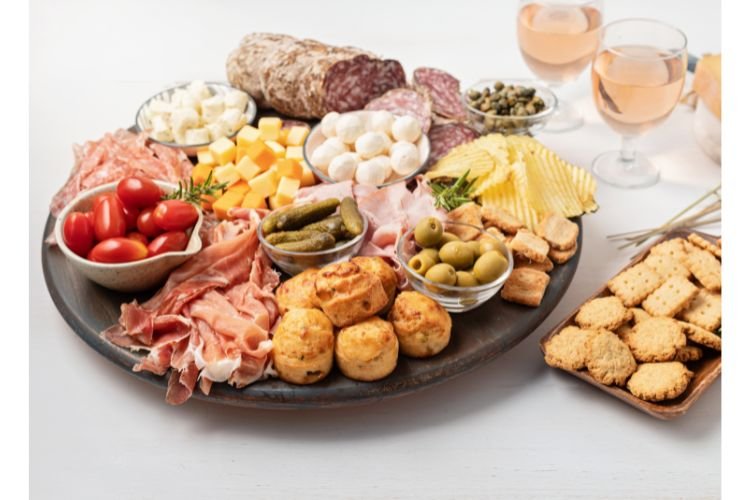
Apéritifs are always paired with small snacks, never a full meal:
- Olives
- Nuts or chips
- Cheese cubes
- Saucisson
- Tapenade or spreads
Apéritif vs Digestif (Quick Reminder)
Apéritif: before the meal, lighter, appetite-stimulating
Digestif: after the meal, stronger, helps digestion
If you’re curious about what the French drink after dinner, you can also read my guide to the most popular digestifs in France.