Galette des Rois in France: The Cake, the Fève, and the Crown
Galette des Rois: A January Tradition
Living in France has taught me that seasons don’t just change the weather—they change what appears in bakery windows. In January, that means galette des rois. Almost overnight, boulangeries and supermarkets replace their holiday pastries with stacks of glossy, golden galettes.
What Galette des Rois Is
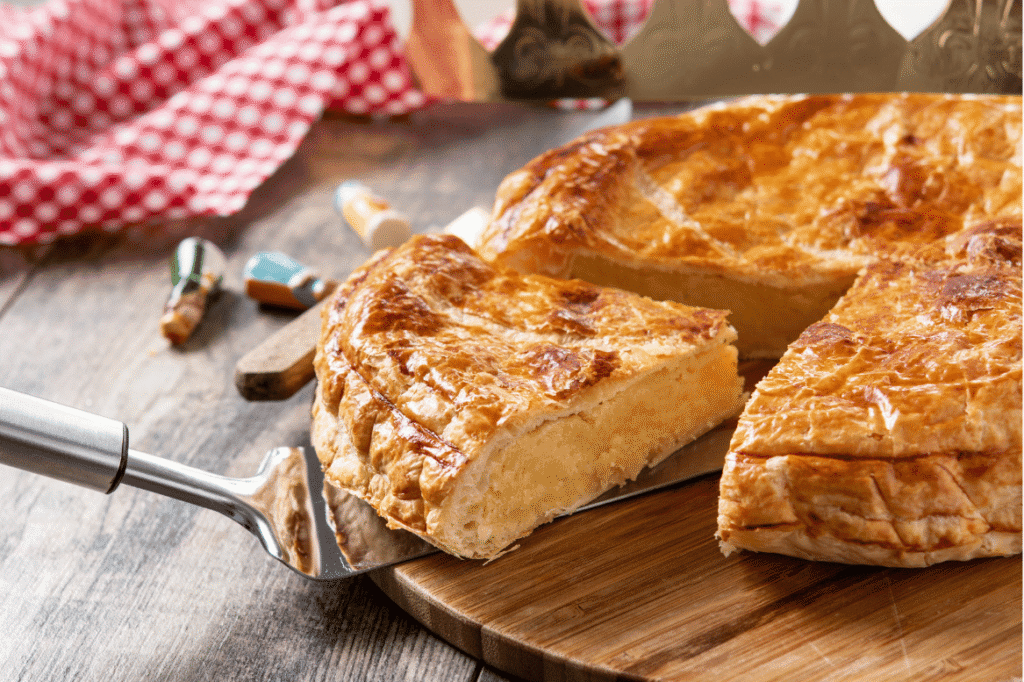
Galette des rois is a traditional French pastry made with two layers of flaky puff pastry (pâte feuilletée) and a rich filling of frangipane, a smooth almond cream made from ground almonds, butter, sugar, eggs, and sometimes a small amount of rum. The top is brushed with egg wash and lightly scored with a knife, giving it its signature decorative pattern. Despite often being called a cake in English, galette des rois is closer to a pastry. It’s rich without being overly sweet or heavy.
While the almond-filled galette is the most common version you’ll see, especially in bakeries, there are variations. Some galettes are filled with apple, chocolate, or other flavored creams. In some regions of the south, you may find a crown-shaped brioche flavored with orange blossom and decorated with coarse sugar or sometimes candied fruit (called brioche or gâteau des rois).
When and Why It’s Eaten
Galette des rois is associated with Epiphany (l’Épiphanie), which falls on January 6, commemorating the visit of the Three Kings. In France, however, the celebration extends well beyond that date. Galettes appear in bakeries for most of January and are commonly shared at home, at work, and during informal gatherings with friends during the month. The first Sunday in January is a popular time to gather together and enjoy it as a family.
Which came first—the galette or the brioche des rois?
Historical sources suggest that during the early Middle Ages, people shared a simple round loaf of bread with a dried bean baked inside to mark Epiphany. Over time, this evolved into a brioche enriched with eggs and butter, decorated with candied fruit—making the brioche des rois likely the earliest true pastry version.
The first recorded mention of a puff-pastry galette (without frangipane) appears much later, in 1311 in Amiens, according to church archives.
Galette des Rois vs American King Cake
Although galette des rois is sometimes compared to American king cake, popular in Louisiana, the two are quite different. French galette is buttery, crisp, and almond-based, while American king cake is typically a soft, cinnamon-flavored brioche with icing and bright colors.
Although both are linked to Epiphany, galette des rois and American king cake are not eaten at the same time, with galette des rois remaining a January tradition while king cake extends through Mardi Gras.
The Fève: The Hidden Object Inside the Cake
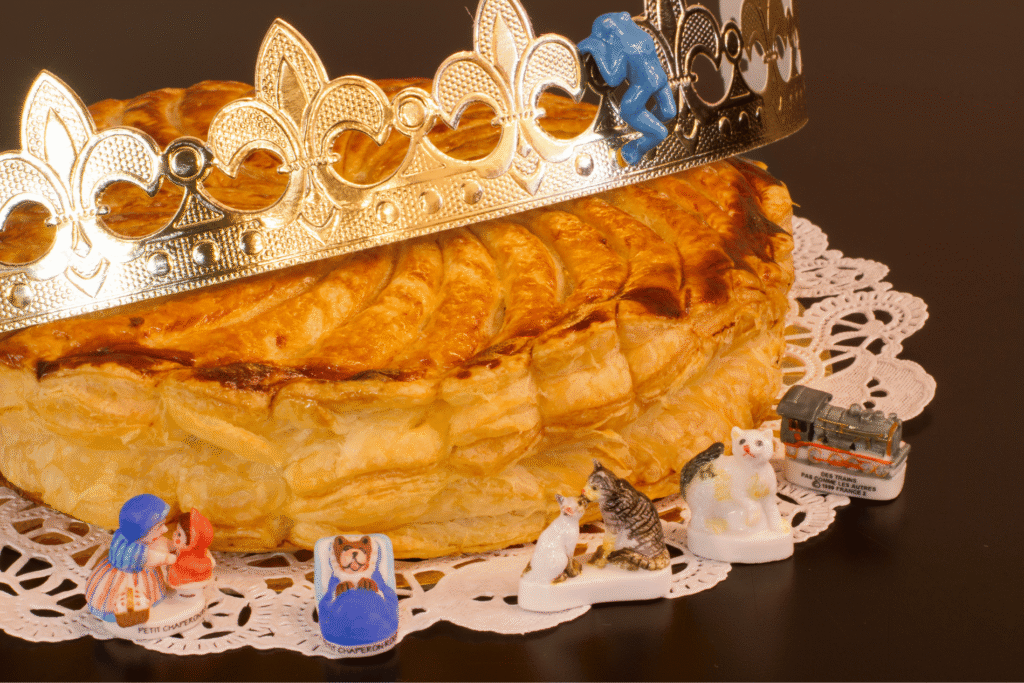
At the heart of the tradition is the fève, a small object baked directly into the galette. Historically, the fève was a dried fava bean, but today it is usually a small porcelain or ceramic figurine. Modern fèves can depict anything from superheros to fun objects or landmarks. For newcomers to France, the idea of biting into a hard object hidden inside a cake can be surprising (our American brains had alarm bells going off about choking and dental hazards) but the French know to eat it slowly and pay attention.
Collecting them has become a quiet tradition in its own right, and for many households it provides a perfectly reasonable excuse to buy more than one galette over the course of January—purely in the interest of completing the set, of course.
How Galette des Rois Is Traditionally Shared
Galette des rois is very much a communal dessert. It’s served in slices, usually at room temperature, alongside coffee, tea, or sometimes cider. A traditional custom involves the youngest person present hiding under the table and deciding who receives each slice, which keeps things fair and adds a playful element.
The Crown and the “King” or “Queen”
Whoever finds the hidden charm in their slice is crowned king or queen for the day and wears the paper crown that comes with the galette. It’s lighthearted and symbolic rather than taken seriously, but it’s a detail that makes the experience feel festive even after the holidays have passed. In many households and workplaces, it becomes an excuse for a bit of laughter and tradition rather than competition.
Buying Galette des Rois in France
In January, every boulangerie and pâtisserie sells galette des rois. Artisan versions often use real butter puff pastry and house-made frangipane, while supermarket versions are cheaper and mass-produced. Bakeries may also advertise the fève theme of the year, as some customers choose their galette based on the figurine inside.
Why Galette des Rois Is More Than a Cake
Galette des rois isn’t just a dessert—it’s a shared cultural ritual. It brings together families, coworkers, and friends in a lighthearted way after the holidays. The combination of tradition, chance, and celebration reflects a distinctly French approach to food: structured, symbolic, and meant to be enjoyed together.
More winter season foods
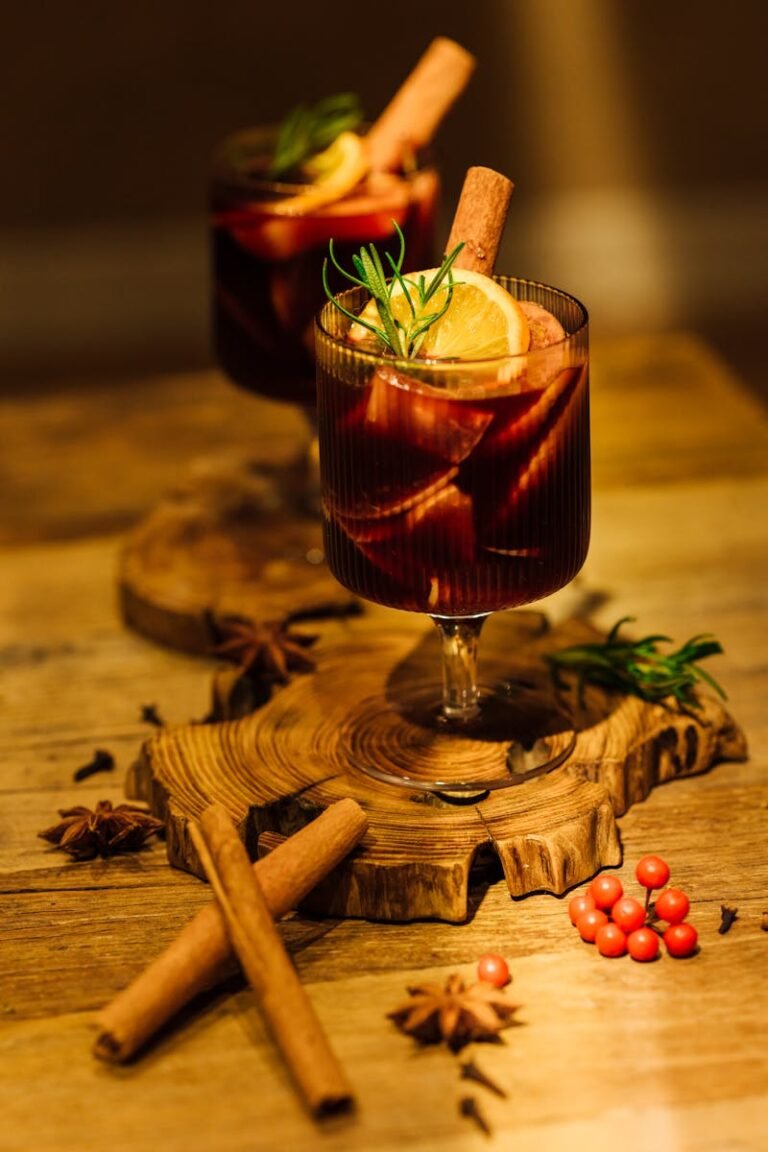
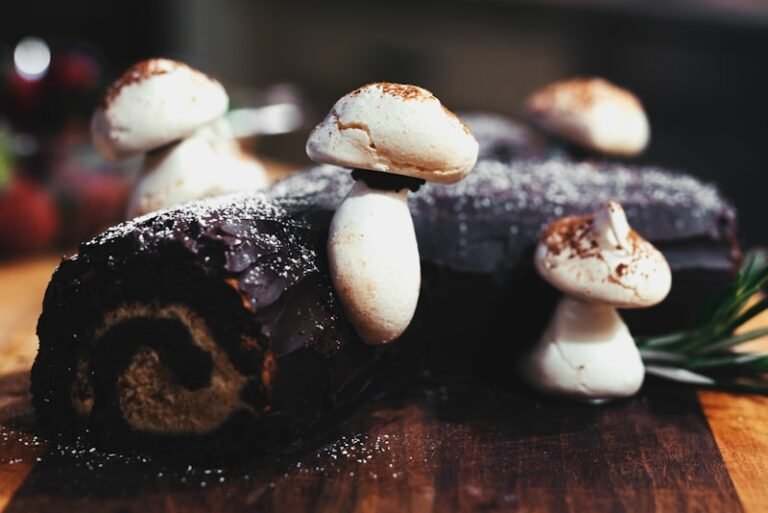
Winter in France comes with its own set of comforting food traditions, many of which appear only for a short time each year. Alongside galette des rois in January, you’ll also find vin chaud warming Christmas markets, raclette taking over winter dinners with friends and family, and bûche de Noël closing out holiday meals in December. Like galette des rois, these foods are deeply seasonal, and their limited availability is part of what makes them feel special.