Behind the Shutters: Inside French Home Security
Shutters, window bars, multi-point locks, doors keyed from both the inside and the outside, high security keys that no locksmith can duplicate, and keyed bolt locks on interior doors. It took us a while to figure out how and why the French protect their homes so differently. Most American homes rely on a simple deadbolt and perhaps a doorbell camera.
More than a pretty façade: The purpose of French shutters
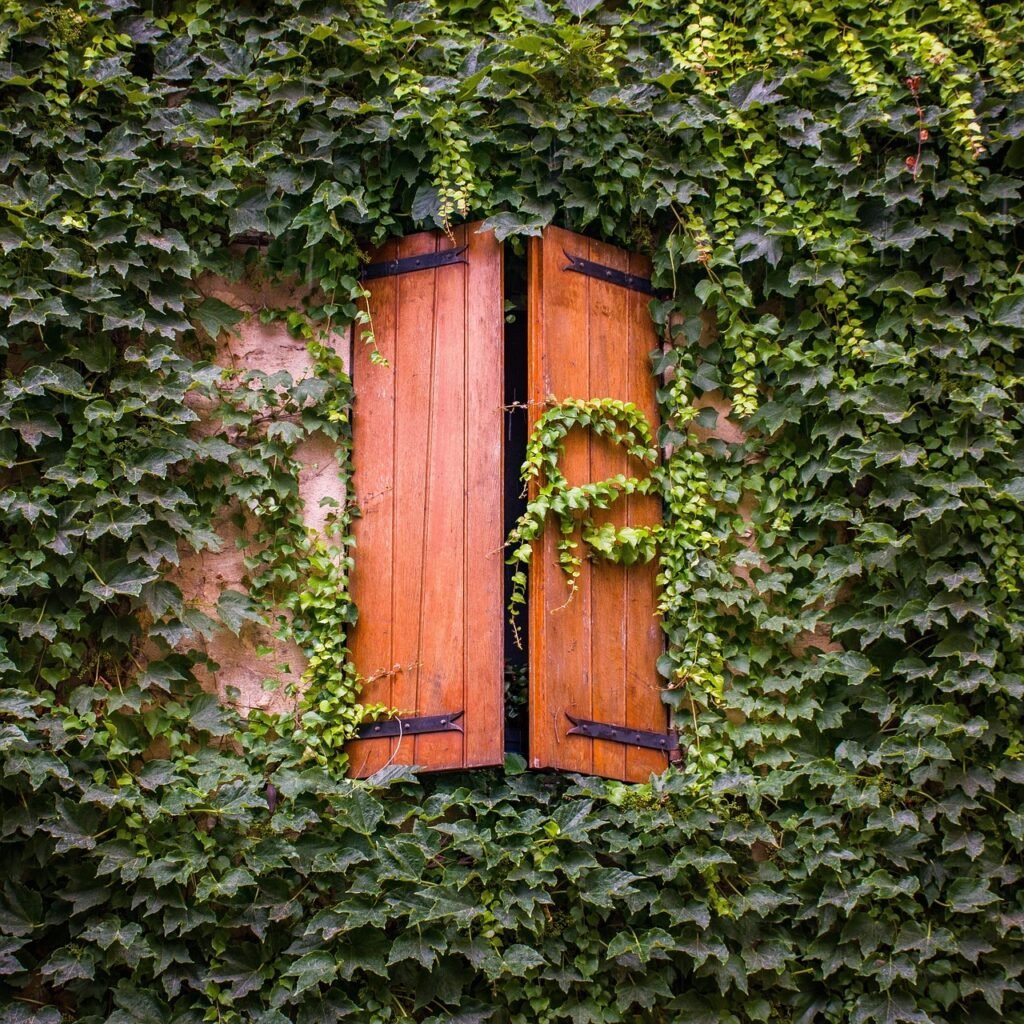
Beyond their quaint appearance, French wooden shutters serve more than a decorative role. Not just for securing window openings, they also insulate and shade interior spaces and provide privacy. Although many homes are opting for (or upgrading to) hidden electric shutters, some communes also require homes to maintain wood shutters to preserve the traditional look. Some towns also have rules on allowable shutter colors for a harmonious look. When we renovated our home, we installed new, traditional-style wooden shutters (in addition to the existing electric shutters), and received so many compliments (and even thank-yous) from our French neighbors. The increasingly popular electric shutters are often automated to allow routines that improve both energy efficiency and security.
Bar None: France’s Most Elegant Security Feature
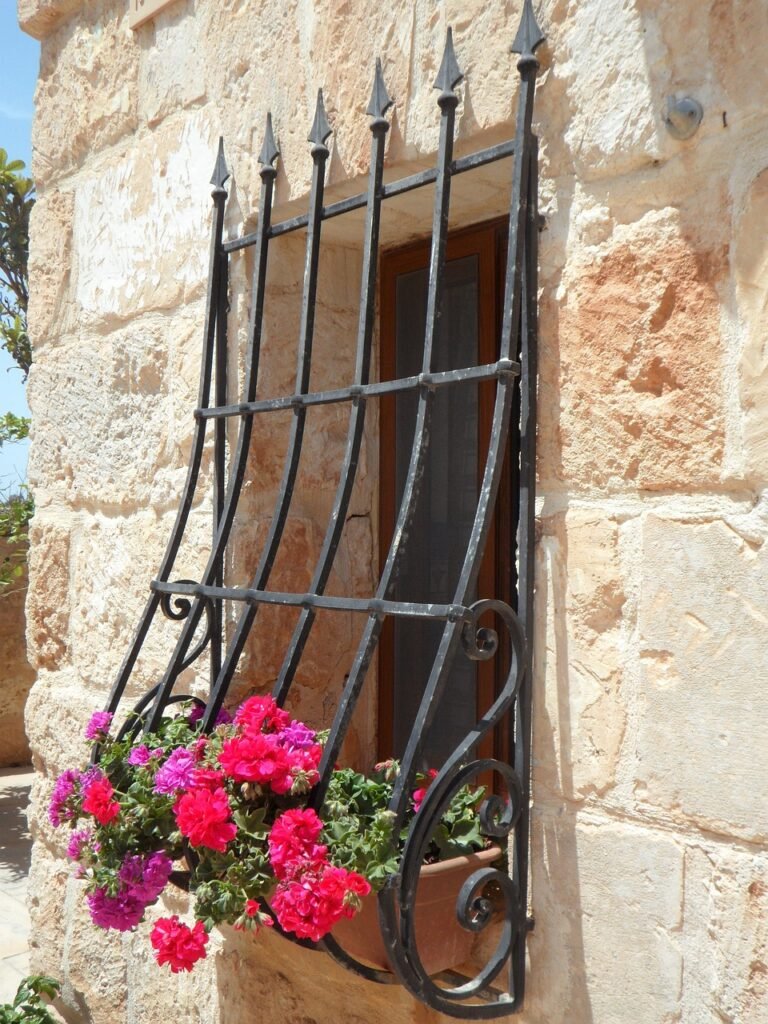
Many home insurance companies here require shutters or bars on any ground-floor or easily accessible window opening, so you often see window bars, as well. The use of window bars here goes back to medieval times. Most are attractive, ornamental wrought-iron grilles that enhance the architectural style of the home, often matching balconies, gates, and other metal elements. They are used not just for security, but also for safety against falls on upper-level windows. (On another note, a cool feature of many modern French windows is the ability to open or slant them in many directions.)
Kilograms of Keys!
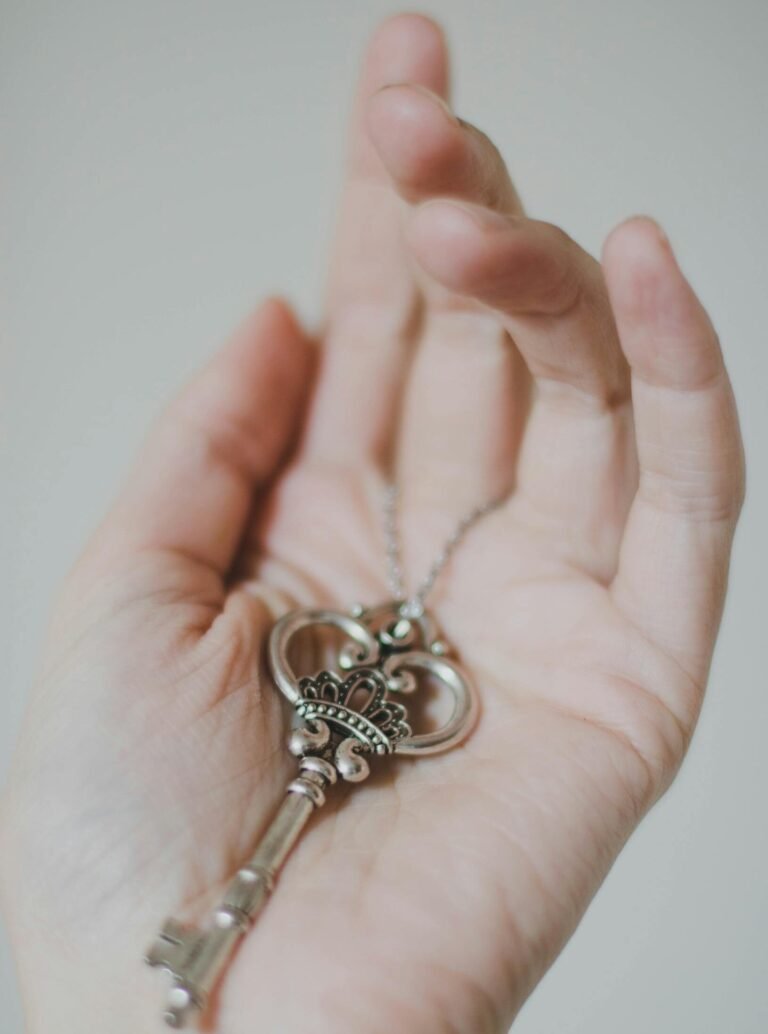
When our real estate agent handed us a giant bag of keys at our closing, we did a double-take. We were used to keyless entry on our front door in the States, and rarely ever even used an actual key. We ended up putting in a new front door and relegated the lovely original wood door (with skeleton key!) as the entry to our wine cellar. The new door was insulated and had multi-point locks that gave us lower rates on our home insurance. Most insurance companies give the best rates on homes with all doors having several points of contact on the lock (3 or more usually). It’s no simple turn of a deadbolt here…you need to turn the lock round and round several times to engage or disengage the locking mechanisms within the door, and often lift the handle lever at the same time. This design will withstand much more force than a simple deadbolt would.
Europeans typically replace a cylinder rather than re-key a lock. It takes about 5 minutes and is less expensive. That being said, a high-quality cylinder can be 100 euros or more (just the cylinder, not the door handle itself). There is a range of security features available within the keys and cylinders themselves and that is reflected in the price. The best systems use special high-security keys that cannot be cut at any locksmith shop. There are protections in place where only the manufacturer has access to the special codes needed to create the key (for security reasons) for a set number of years. Most cylinders are standardized in shape, and you just need to measure the inner and outer length of the cylinder to find the correct replacement size for your door. Thankfully, you can order cylinders to be keyed alike so you can get your keychain down to a manageable size.
Our interior doors (which used an assortment of skeleton and normal keys) were replaced with new doors with thumbturn locks. The door handle designs are noticably different. In the US, most interior doors have a simple lock built into the handle that you push or twist to engage. Here, they use a small bolt-type lock separate of the door handle (more similar to the deadbolt style system), and the doors typically have a tall, narrow decorative plate on them under the handle and lock.
Old world Craftsmanship meets new world technology
Of course, like everywhere else, French homes are increasingly using security and camera systems, too. But their unique blend of utilizing the best of both traditional and modern security strategies makes for a highly secure home while preserving the charm of yesteryear.