Vin Chaud (Glühwein): Alsace’s Iconic Christmas Market Drink
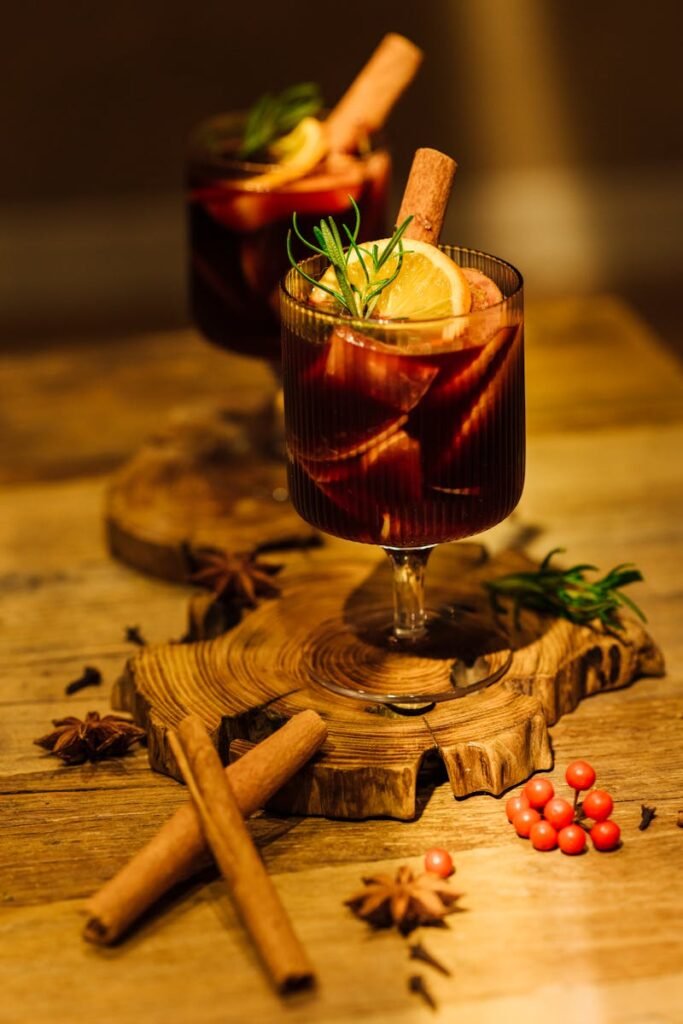
If you’ve ever wandered through the twinkling wooden chalets of the Christmas markets in Alsace, chances are you’ve warmed your hands—and your spirits—around a steaming cup of vin chaud. This spiced hot wine is one of the most iconic winter drinks in France, especially during the Christmas market season across Europe.
What Is Vin Chaud (and How Is It Different from Glühwein)?
Vin chaud literally means “hot wine” in French. It’s typically made with red wine, orange or lemon, warming spices like cinnamon and cloves, and a sweetener such as sugar or honey.
In nearby Germany and Alsace’s neighboring regions, you’ll often see it labeled as Glühwein, which translates to “glowing wine.” The recipes are similar, but regional twists vary:
- French versions tend to be slightly lighter on spices
- German versions are often sweeter and more intensely spiced
- Alsatian vin chaud sits somewhere in between, influenced by both traditions
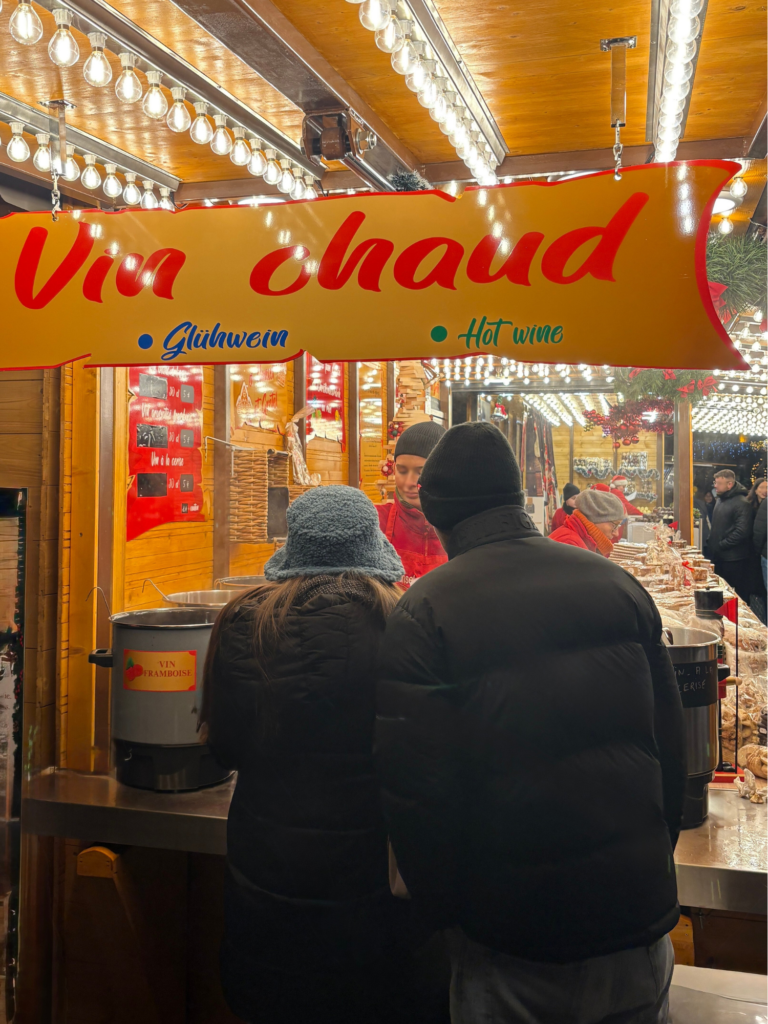
At Christmas markets, vin chaud isn’t just a drink—it’s part of the experience. When we visited the Christmas markets in Alsace, vin chaud quickly became our go-to way to warm up between chalet browsing. There’s something magical about holding a hot cup while surrounded by lights, half-timbered houses, and the hum of festive crowds.
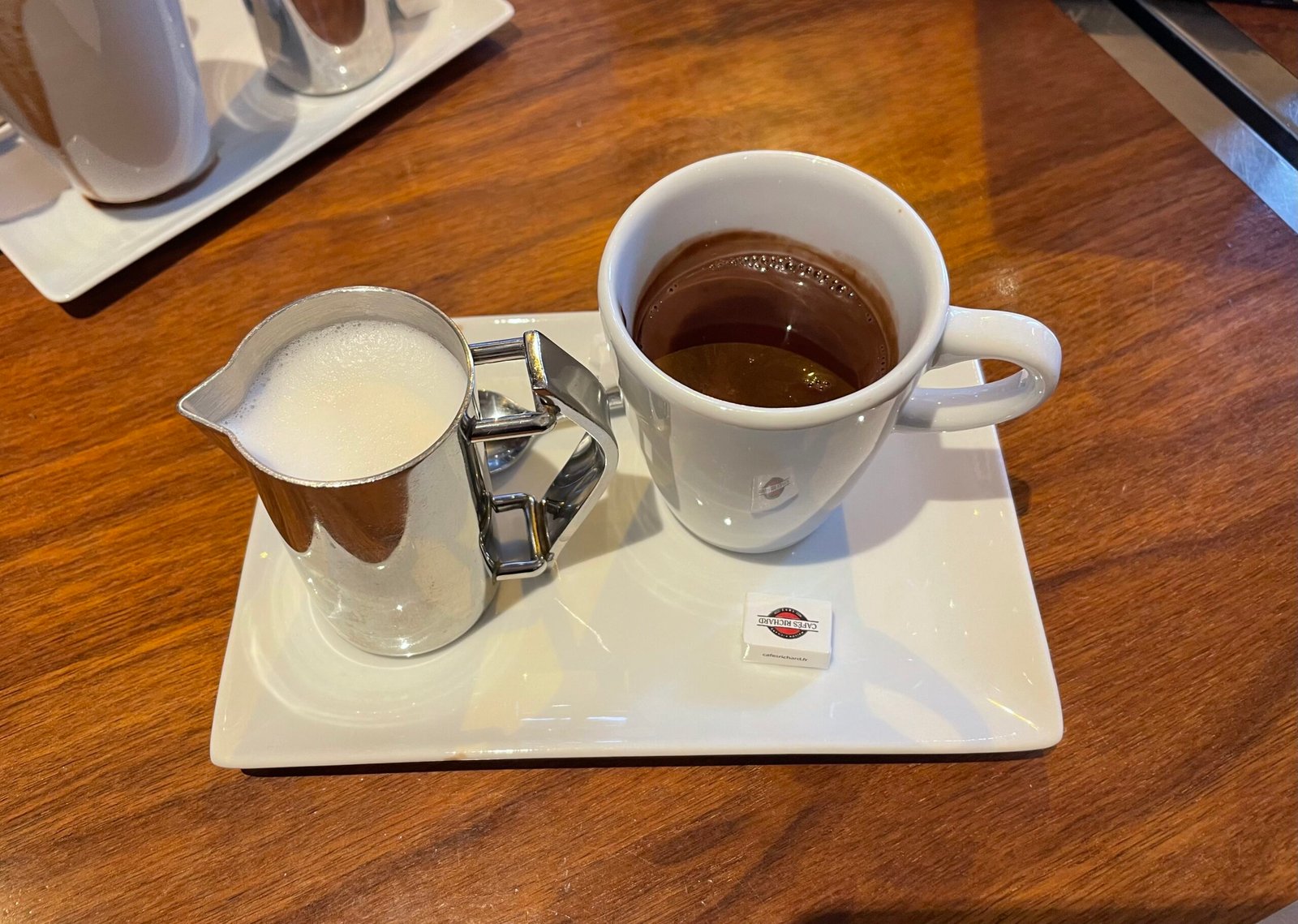
That said—we learned quickly that vin chaud is sweeter than we expected. While delicious, we could really only handle a couple of glasses before craving something less sugary. It’s one of those drinks that’s perfect in moderation, especially when you’re sampling other market treats or warming drinks like chocolat chaud (hot chocolate). I also found that the white wine versions tend to be less sweet with an emphasis more on spice than fruit.
One thing we loved (and wish more places did): the reusable cups. You pay a small deposit for a festive cup or mug, which you return when you’re done—or keep as a souvenir. Pro tip from experience: bring some napkins with you. If you switch between vin chaud and something like hot chocolate, it’s nice to quickly wipe out the cup in between.
A Brief History of Vin Chaud
Spiced wine dates back to ancient Roman times, when wine was often heated and mixed with spices to preserve it and make it more palatable during colder months. As trade routes expanded and spices became more accessible, variations of mulled wine spread throughout Europe.
In Alsace, vin chaud became especially popular thanks to the region’s cold winters and its unique cultural blend of French and German traditions. Today, it’s inseparable from the area’s famous Christmas markets.
When and Where Vin Chaud Is Popular
Vin chaud is most commonly enjoyed:
- From late November through December
- At Christmas markets, village fêtes, and winter festivals
- In cold regions like Alsace, the Alps, and northeastern France
At Alsatian Christmas markets, you’ll often find:
- Classic red vin chaud
- White vin chaud (vin chaud blanc), made with local white wines
- Kid-friendly non-alcoholic versions made with fruit juice
- Variations made with other fruit like cherries or berries
Why Vin Chaud Is So Tied to Christmas Markets
Vin chaud checks every box for winter festivities. It’s easy and inexpensive to make, comforting in cold weather, and highly aromatic (which sells itself). Paired with gingerbread, roasted chestnuts, or a stroll past decorated chalets, it becomes less about the drink itself and more about the moment.
Vin chaud may warm your hands, but it’s the Christmas villages of Alsace that steal your heart—each one offering its own charm, markets, and traditions, which I share in my guide to the Alsace’s Most Magical Christmas Markets.
Vin Chaud
Ingredients
- 1 bottle dry red wine
- 1 orange, peeled and sliced
- 2-3 sticks cinnamon
- 3-5 cloves
- 1 star anise (optional)
- 2-4 tbsp sugar or honey (to taste)
Instructions
- Pour the wine into a saucepan and heat gently over low heat.
- Add orange, spices, and sweetener.
- Warm for 15–20 minutes without boiling.
- Taste and adjust sweetness.
- Strain and serve hot.
Notes
Optional Variations
- Add a lemon, peeled and sliced
- Add a splash of brandy or orange liqueur
- Use white wine for vin chaud blanc
- Reduce sugar if you prefer a less sweet version
French Christmas Traditions
Christmas in France is shaped by regional customs as much as seasonal flavors. In Provence, Provençal santons—traditional clay figurines—offer a meaningful glimpse into how local life becomes part of the holiday season. For Christmas dessert, the sumptuous bûche de Noël takes center stage.