High-Speed Trains in France: How to Travel by TGV With Ease
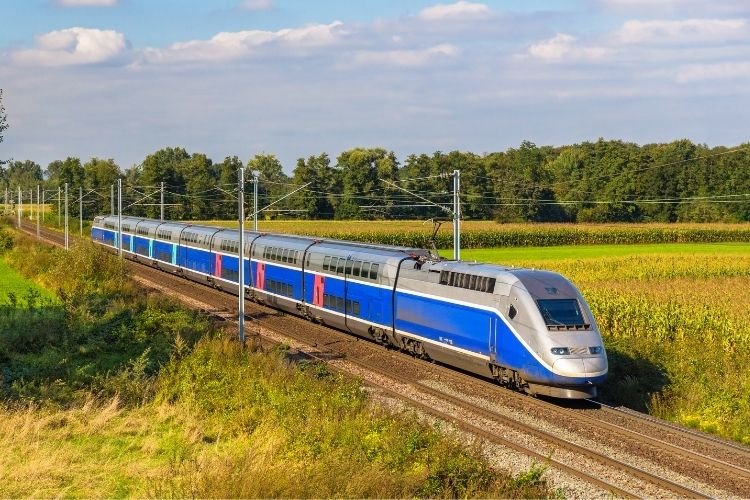
Having a train station with TGV stops within walking distance was one of the factors in choosing where we live in France. From our front door, we can easily hop on a train and be in Paris, Strasbourg, or even across the border in another country — without needing a car or setting foot in an airport.
That kind of access is one of the great advantages of high-speed train travel in France. Long-distance trains make it easy to move quickly between cities while staying comfortable, relaxed, and firmly in the city center from start to finish.
High-speed trains do work a little differently from regional trains, though — especially when it comes to seating, luggage, and timing. This guide walks through what to expect and how to travel with confidence.
What Counts as a High-Speed or Long-Distance Train?
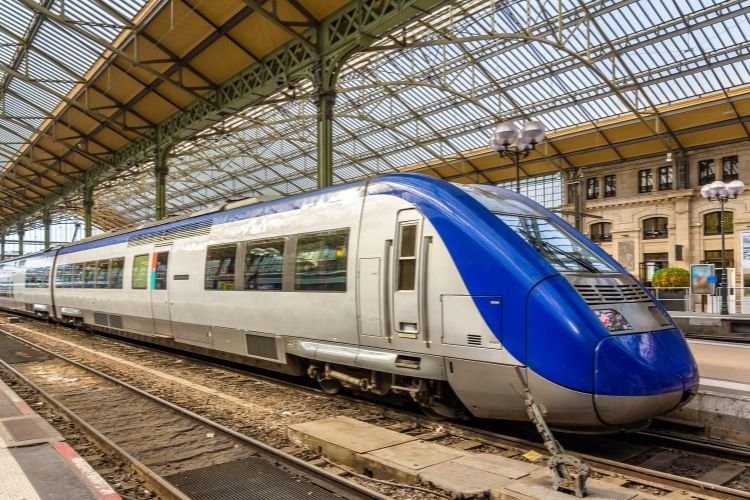
In France, long-distance travel is typically handled by:
- TGV
- OUIGO
- Intercités
These trains are part of the national rail system historically operated by SNCF and are designed for longer journeys between major cities.
At a glance, they:
- Travel at high speeds with fewer stops
- Offer assigned seating
- Feel calmer and more spacious than regional trains
- Are well suited to longer journeys
Why High-Speed Trains Are So Comfortable
For long distances, trains are often more relaxing than flying:
- No airport security lines
- No luggage check-in counters
- No need to travel far outside the city to depart or arrive
- More space to move around during the journey
Seats are wider, windows are larger, and you’re free to stand up, stretch, or walk to another car. On scenic routes, the countryside passing by becomes part of the experience.
Booking Smart: Seats, Sales & Discount Cards
Seat Reservations Matter
On high-speed trains, you can book an assigned seat — and having one makes a big difference.
With a reserved seat:
- You know exactly where you’ll sit
- You won’t be asked to move mid-journey
- Longer trips feel calmer and more predictable
Traveling without a reservation can mean giving up your seat later if someone boards with the assigned number.
Booking Early Saves Money
High-speed train prices fluctuate:
- Early bookings are often significantly cheaper
- Flash sales do happen
- Popular routes and times sell out quickly
There are also discount cards available for different age groups and travel patterns, which can reduce fares substantially over time.
Arriving at the Station: Give Yourself Time
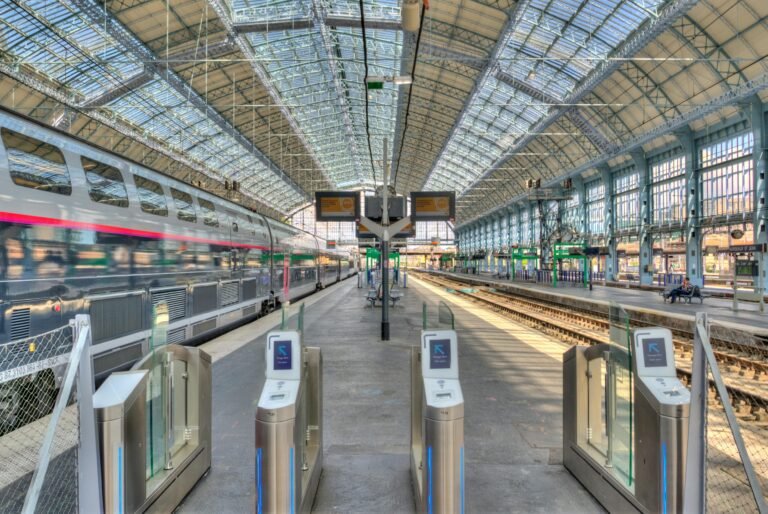
On French high-speed trains, platforms and departure boards usually list the final destination of the route, which may not be your stop. Train numbers are not always shown, so it’s important to rely on the station screens to confirm the correct platform, departure time, and destination city before boarding.
Even for high-speed trains, platforms are often announced shortly before departure.
Arriving early allows you to:
- Locate the correct platform calmly
- Navigate stairs, elevators, or tunnels
- Find the right spot along the platform for your car
This is especially helpful in large stations — but even smaller stations may require some walking to reach the tracks.
Car Numbers & Platform Sections
Platforms are divided into lettered sections (A, B, C, etc.). Your ticket lists a car number, which corresponds to one of these sections.
Standing in the correct section means:
- Your car stops directly in front of you
- You avoid rushing along the platform with luggage
Signs are posted near the track and are sometimes visible in the train app as well.
Luggage on High-Speed Trains
Most high-speed trains have:
- A luggage rack in or near each car
- Overhead space for smaller bags
When booking, choosing seats near a luggage rack allows you to keep an eye on your bags, which many travelers find reassuring.
If your luggage is stored a bit farther away:
- You can stand near it during station stops
- This is common and completely acceptable
Smaller bags are often easier overall. Carry-on backpacks fit under or above seats and make stairs and exits simpler. Even on long trains, it’s wise to keep bags zipped and locked.
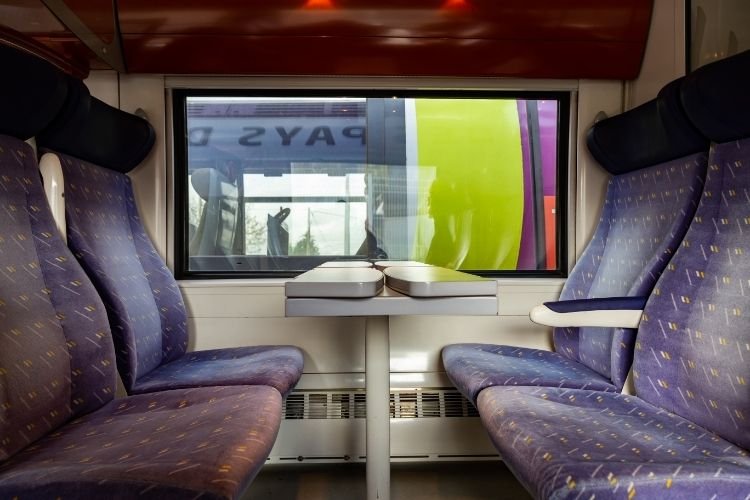
During the Journey: Food, Views & Comfort
Some long-distance trains have:
- A café car or snack service
- Vending machines
Others do not — so it’s always smart to bring:
- Water
- Snacks or a light meal
On double-decker trains, the upper level often offers:
- Better views
- A quieter atmosphere
Just remember that upper decks require stairs, so plan luggage placement accordingly.
Preparing for Arrival on Long Routes
On long-distance high-speed routes, stops can be hours apart. If your station isn’t the final stop, the train may only pause briefly — sometimes as little as 2–4 minutes — so it helps to be prepared. Stop length often depends on the station, with larger hubs allowing more time for passengers to get off and on than smaller intermediate stops.
You don’t need to rush or hover by the doors far in advance. The goal is simply to avoid last-minute scrambling. Your itinerary or train app will usually show both the estimated arrival time and how long the train is scheduled to stop.
A relaxed approach that works well:
- Keep an eye on the time as your arrival window approaches
- Begin gathering your belongings about 10–15 minutes before your stop
- If you’re seated upstairs, start heading down once you’ve packed up
Being prepared makes the exit feel unhurried and easy — even when the stop itself is quick.
Pickpocket Awareness on Long-Distance Trains
High-speed trains are generally very safe, but awareness is still important:
- In busy stations
- During boarding and exiting
- When handling luggage
Simple habits help:
- Keep bags zipped
- Avoid exterior pockets for valuables
- Stay aware during moments of distraction
Why High-Speed Trains Are One of the Best Ways to Travel in France
High-speed trains make France feel remarkably accessible. Being able to walk to a station and reach major cities — or even cross borders — without the stress of airports or driving is a huge quality-of-life advantage.
They’re fast, comfortable, and surprisingly relaxing, especially once you understand how they work.
Planning More Train Travel?
This guide focuses on long-distance and high-speed routes. For the bigger picture — and for shorter trips — you may also find these helpful:
- French Train Travel Explained: High-Speed vs Regional Trains
- Regional Trains in France: How to Ride TER Trains Without Stress
Final Thoughts
High-speed train travel in France combines efficiency with comfort in a way that’s hard to beat. With a little planning, it becomes one of the easiest and most enjoyable ways to explore the country — whether you’re heading across France or beyond its borders.
Where to Buy Train Tickets in France
(Official Sites)
For the most accurate schedules and prices, it’s best to book directly through official rail sites.
France-Wide Train Bookings (High-Speed & Long Distance)
For TGV, Intercités, OUIGO, and many national routes, use:
SNCF Connect https://www.sncf-connect.com
This is the official booking platform for most long-distance and high-speed trains in France, with an English-friendly interface and digital tickets.
Regional Trains (TER & Local Routes)
For regional trains, local passes, and region-specific ticket options, use:
TER https://www.ter.sncf.com
Each French region has its own TER pages with information on tickets, passes, regional discount cards, and local schedules and promotions. Because ticket options vary by region, checking the TER site for the area you’ll be traveling in can be especially helpful.
Official Apps Both SNCF Connect and many regional TER systems offer official mobile apps, which allow you to buy and store digital tickets (avoiding paper ticket validation) access schedules and updates on the go, and get additional train information.
A Quick Note on Private Operators Some regional routes are now operated by private companies under regional contracts, and additional high-speed operators are planned for the future. For travelers, ticketing still works through the same official platforms, and the booking process remains consistent.
Traveling beyond France by train?
If your journey crosses into another country, I’ve put together a separate guide on how to buy cross-border train tickets in Europe, including which sites are best for planning routes and which are best for booking.