Why France Is the World’s Perfume Capital
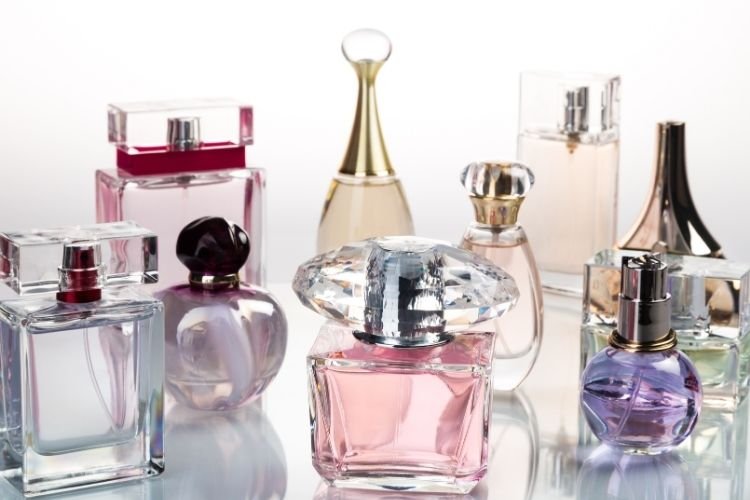
France is often associated with perfume, but that reputation didn’t come from branding alone. It comes from centuries of craftsmanship, agricultural expertise, and a distinctive approach to scent that values balance, quality, and longevity.
From the flower fields of southern France to the perfume houses of Paris, fragrance has long been treated as a serious craft. Today, France remains the global reference point for fine perfumery, influencing how scents are created, worn, and appreciated worldwide.
Grasse: The Birthplace of Modern Perfumery
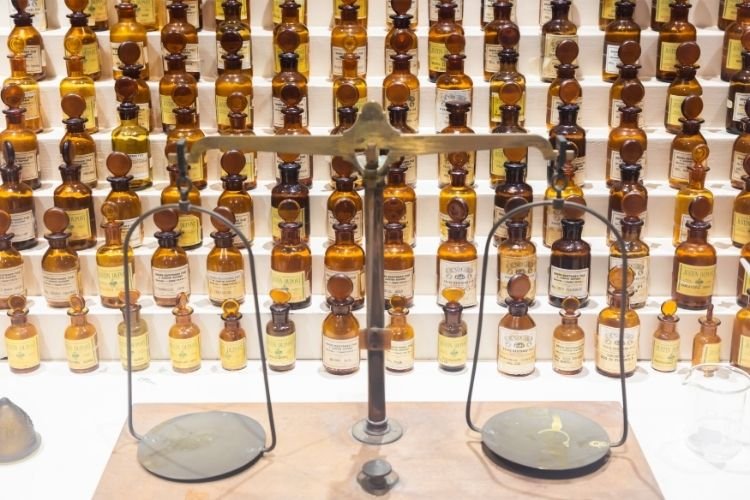
The small Provençal town of Grasse is widely considered the birthplace of modern perfume. In the Middle Ages, Grasse was known for leather tanning. To improve the smell of leather gloves, artisans began scenting them with local flowers. What began as a practical solution eventually evolved into an entirely new industry.
Grasse’s climate proved ideal for cultivating fragrant plants, particularly jasmine grandiflorum, rose centifolia, orange blossom, and tuberose. These flowers are still grown and harvested in the region today, often by hand, and continue to be used in luxury and niche perfumes around the world. In recognition of this expertise, UNESCO has listed the perfume know-how of Grasse as part of the world’s Intangible Cultural Heritage.
Visitors to Grasse can explore perfumery firsthand. The town is home to several perfume museums that explain the history of scent production and display traditional equipment used in extraction and blending. I really enjoyed my visit to the Musée international de la Parfumerie in Grasse. As someone who has long been interested in scents, and essential oils, I found it fascinating to learn more about the history and science of perfumery up close. They even have a greenhouse and garden area where you can see and smell some of the popular botanicals used.
Many historic perfume houses also welcome visitors for guided tours, and some offer workshops where participants can create their own fragrance using professional materials. These experiences make it easier to understand how raw ingredients are transformed into finished perfumes and why Grasse remains such an important center for the industry.
From Flower to Fragrance: French Perfume Know-How
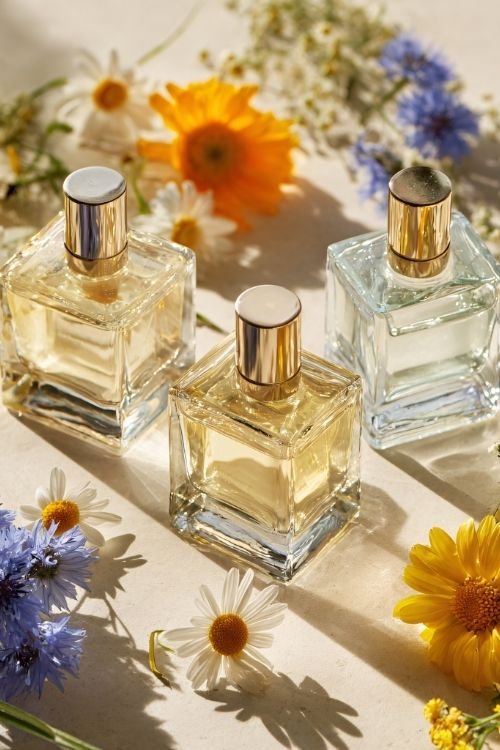
French perfumery places strong emphasis on technique and precision. Producing a fragrance is not simply about mixing pleasant smells—it involves careful sourcing of raw materials, controlled extraction methods, and a deep understanding of how a scent develops over time on the skin.
Common techniques include:
- Steam distillation for essential oils
- Solvent extraction for absolutes
- CO₂ extraction for delicate materials
Behind every perfume is a nez, or perfumer, a profession that requires years of training. French perfumers are known for creating scents that evolve gradually, revealing different notes rather than delivering an immediate, overpowering effect.
Historic French Perfume Houses
Several historic perfume houses have played a major role in shaping French fragrance culture.
Fragonard, founded in Grasse in 1926, is known for preserving traditional perfume-making techniques. The brand produces accessible fragrances and operates museums that explain the history and production of perfume.
Guerlain is one of the oldest perfume houses in the world and has been responsible for many foundational accords still used in perfumery today.
Grasse is also home to historic producers such as Molinar and Galimard, both of which continue to operate using traditional methods.
Many contemporary luxury perfumes from around the world still rely on ingredients, expertise, or formulation work that originates in this region.
Many of these perfume houses also have boutiques that are open to visitors, not only in Grasse but in several cities across France as well. These shops allow you to smell the full range of fragrances and other scented products and explore them in person. It’s also a good opportunity to discover scents you might not encounter elsewhere. I love bringing visitors to these stores to browse diffuser blends, lotions, soaps, and other souvenirs they can take home as reminders of their time in France (and to restock for myself!). There’s nothing quite like scent when it comes to evoking memories.
Popular Perfumes Worn by French Women Today
These fragrances consistently rank among the best-selling and most worn in France.
- Coco Mademoiselle (Chanel): Fresh, structured, and elegant, it is often chosen as an everyday signature scent.
- La Vie Est Belle (Lancôme): One of the top-selling perfumes in France, appreciated for its soft sweetness.
- J’adore (Dior): A polished floral that has remained popular for decades.
- Black Opium (Yves Saint Laurent): A warmer, modern scent favored by younger women.
- Libre (Yves Saint Laurent): A modern, confidant floral with lavender and orange blossom
Popular Perfumes Worn by French Men Today
French men often gravitate toward clean, woody, or aromatic fragrances that feel versatile.
- Sauvage (Dior): One of the most widely worn men’s fragrances in France.
- Bleu de Chanel: Popular for its refined and adaptable profile.
- Terre d’Hermès: An earthy scent often associated with understated elegance.
- Le Mâle (Jean Paul Gaultier): A long-standing classic that continues to sell well.
- 1 Million (Paco Rabanne): A bold fragrance, especially popular with younger men.
Why France Still Sets the Standard
France continues to play a significant role in shaping how perfume is made and worn around the world. New styles and accords often emerge from French houses and perfumers, but they are developed with an emphasis on structure, technique, and how a fragrance performs beyond its initial impression.
For travelers, visiting these places offers a clearer understanding of why perfume holds such a prominent place in French culture. Rather than focusing only on finished fragrances, it reveals the techniques, materials, and decisions behind them. And who knows—you may even leave having discovered a new favorite scent along the way.
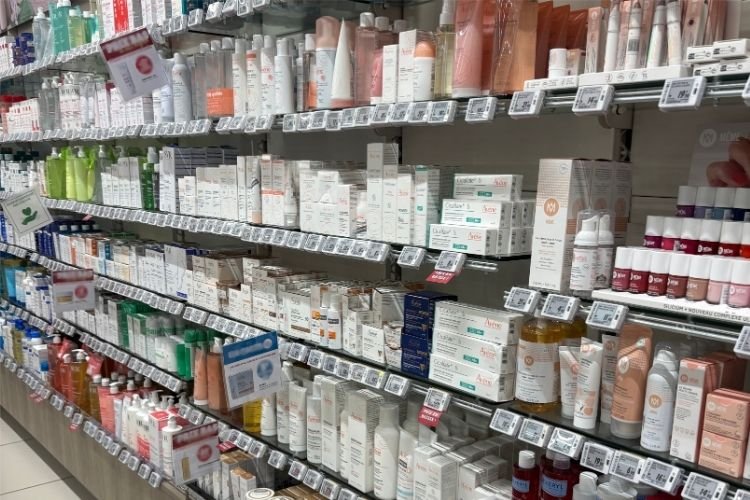
If you’re curious about where French people actually buy their everyday beauty and wellness products, I’ve written more about French pharmacies and parapharmacies and what makes them so unique in a separate post.