Why Repair Is the Most Stylish Choice in France
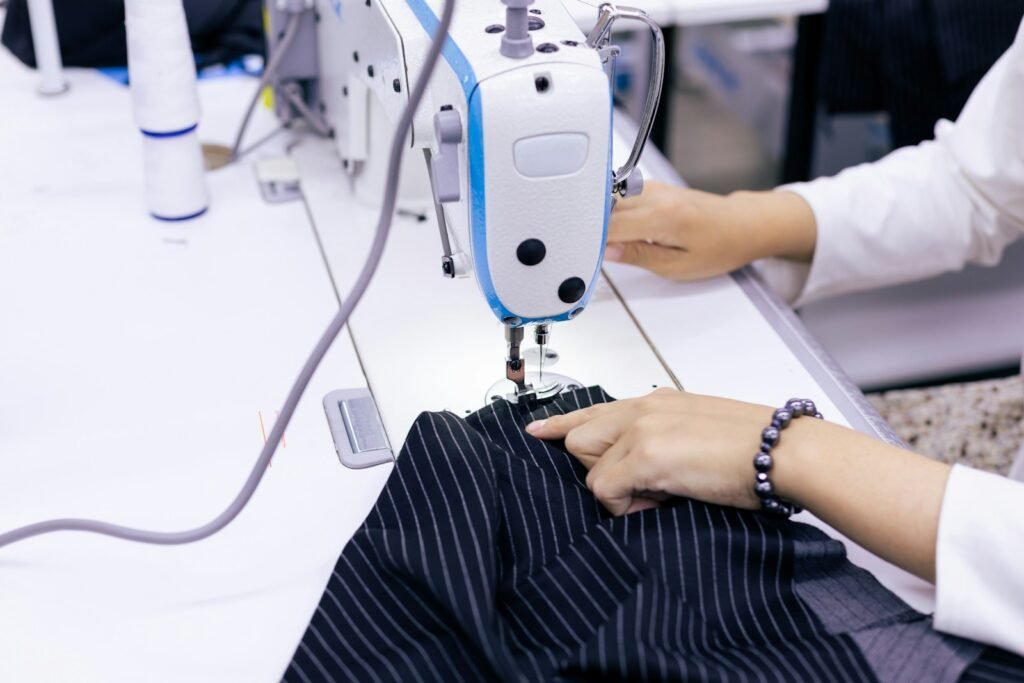
One of the most noticeable — and refreshing — differences I’ve encountered living in France is how people approach their belongings, especially clothing and shoes. Fashion here isn’t disposable. Instead of tossing something the moment it shows wear, the instinct is often to repair first, replace second.
This mindset isn’t driven by nostalgia or thriftiness alone. It’s cultural, practical, and increasingly supported at a national level.
France Is Actively Encouraging Repairs
France has taken concrete steps to reduce waste in the fashion and consumer goods industries. Through initiatives designed to combat overconsumption, the government has introduced financial incentives that encourage people to repair items rather than replace them.
Under certain programs, some consumers can receive repair credits for fixing shoes, clothing, and even household goods. The message is clear: repair is valued, supported, and normalized.This isn’t just good for the environment — it also reinforces a long-standing French attitude that well-made items deserve care and longevity.
Repairs Are Surprisingly Affordable
Even without credits, the cost of repairs in France is often shockingly reasonable — especially when compared to the price of buying new, mid-quality replacements.
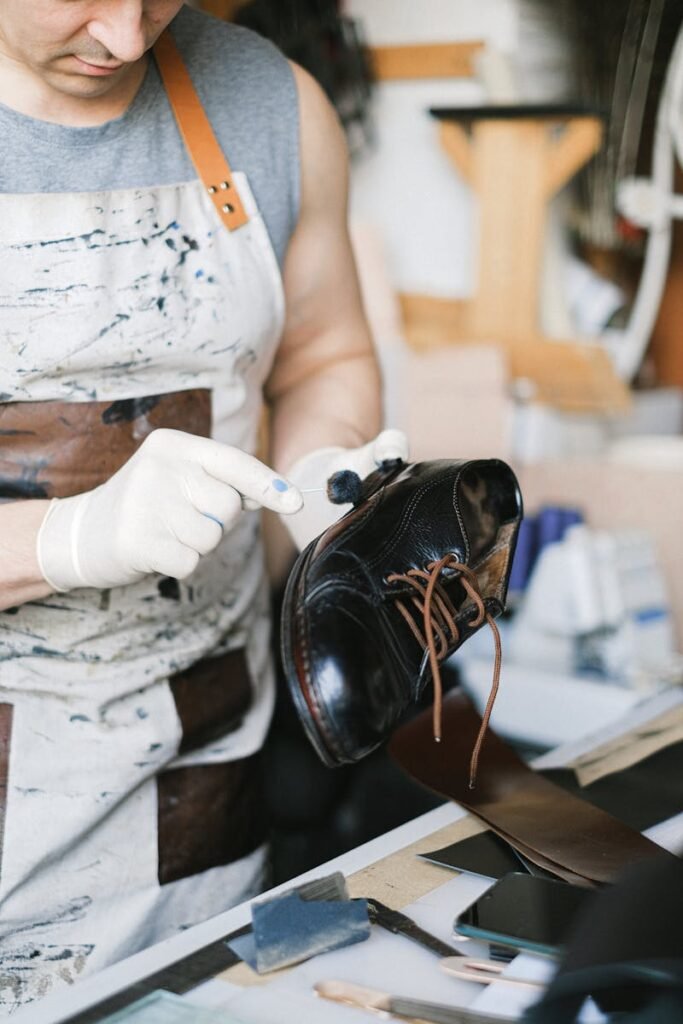
Case in point: one of my favorite pairs of tall leather boots. Over time, the tips on the stacked wood heels had worn down. Since they were still in decent shape and I could no longer buy the same model, I decided to get an estimate at a local cordonerrie (shoe repair business) for an estimate. When the shop owner quoted €12, I assumed I’d misunderstood her French and asked her to repeat it. I thought that was a very reasonable price for each heel, but when I went to pick them up a few days later I realized it was only €12 total to repair both boots! They looked perfect, felt brand new, and the inexpensive fix saved me the hassle and cost of trying to find a replacement pair.
Repair Shops Are Part of Everyday Life
A loose seam? Fix it.
A broken zipper? Replace it.
Worn soles? Resole them.
What struck me just as much as the price was how normal the experience felt. Shoe repair shops, tailors, and clothing repair counters are easy to find — in malls, neighborhood shopping streets, and local markets — and aren’t treated as specialty or luxury services. They’re simply part of everyday life.
The assumption is that quality items are meant to be maintained.
What This Says About French Style
French style isn’t just about how things look — it’s about how they’re made and how long they’re meant to last. There’s a strong cultural preference for quality over quantity, and a willingness to pay more upfront for pieces that are well constructed, timeless, and built to endure everyday wear.
Because these items are chosen with longevity in mind, repair isn’t seen as a compromise or a downgrade. It’s a natural extension of ownership. A well-made coat, a leather handbag, or a favorite pair of boots is worth maintaining, worth repairing, and worth keeping in circulation for years — sometimes decades.
This mindset quietly shapes French wardrobes. Instead of constant replacement, there’s an emphasis on buying fewer things, choosing them carefully, and caring for them properly. In that context, repair isn’t just practical — it’s an affirmation that good design, quality materials, and thoughtful craftsmanship still matter.
A Lesson Worth Bringing Home
In fashion, repair simply extends the life of pieces that were chosen well in the first place. When shoes and clothing are made with quality materials and thoughtful construction, wear doesn’t signal the end — it signals maintenance.
That approach shapes French wardrobes. Fewer items, worn more often, cared for properly, and repaired when needed. A small fix can return something to regular rotation without altering its style or relevance.
Those tall leather boots didn’t need replacing. A simple, inexpensive repair restored them completely — proof that in France, looking well dressed often has less to do with buying new and more to do with knowing what’s worth keeping.