Rosé In Provence: Why This Region is the World Capital of Rosé
Rosé has been part of life in Provence for centuries. It isn’t a passing preference or a modern invention—it’s the region’s most natural expression of wine.
From casual lunches to family gatherings, rosé is woven into everyday culture in southern France. Provence didn’t adapt to the rosé movement; it defined it. And that long-standing relationship is exactly why Provence remains the world’s benchmark for dry, elegant rosé.
Where Is Provence — and Why Is It Perfect for Rosé?
Provence sits in the south of France along the Mediterranean, stretching from the Rhône Valley to the Italian border. It’s a region defined by sunshine, dry heat, coastal breezes, and the mistral wind, which helps keep vineyards healthy and grapes fresh.
This climate is ideal for producing wines that are light, crisp, and refreshing. The grapes ripen fully, but the cooling influences preserve acidity — a key reason Provence rosés are known for being dry and balanced rather than heavy or sweet. The result is wine that feels effortless, even in the heat of summer.
A Rosé Tradition Older Than Red Wine
Provence’s connection to rosé goes back more than 2,500 years. When the Greeks first planted vines here, they made pale wines because extended skin contact wasn’t yet common. These early wines more closely resembled modern rosé than the deep reds we think of today.
Unlike many regions that later treated rosé as a byproduct of red wine production, Provence never did. Rosé has always been intentional here — not an afterthought, not a compromise, but the main event.
Why Provence Rosé Is So Pale (and So Dry)
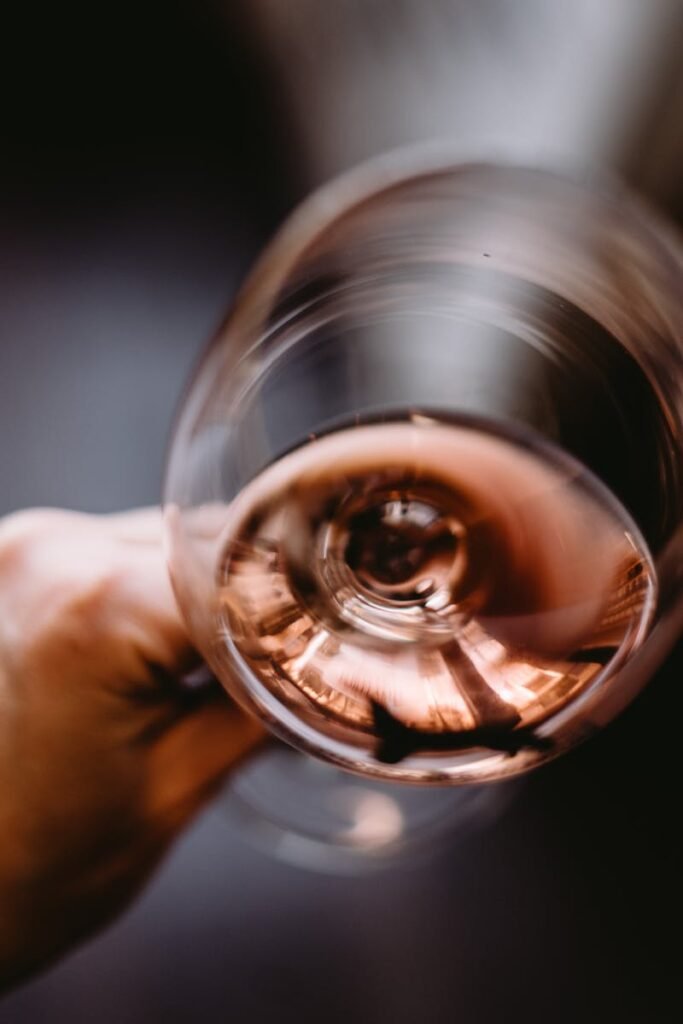
One of the most recognizable features of Provence rosé is its very light color — often a delicate blush, peach, or barely-pink hue. This comes from minimal skin contact during winemaking. Grape skins are removed quickly, extracting just enough color and aroma without bitterness or heaviness.
Despite the pale color, Provence rosé is almost always dry. This surprises many visitors who associate pink wine with sweetness. In Provence, sweetness would mask freshness — and freshness is the entire point.
Is Provence Rosé Dry or Sweet?
Despite its pale pink color, Provence rosé is almost always dry.
In fact, about 90-95% of rosé produced in Provence is made in a dry style.
Quick takeaway:
Pale color ≠ sweetness
Provence rosé = crisp, dry, and refreshing
If you like dry white wine, you’ll likely enjoy Provence rosé
The Grapes Behind the Glass
Provence rosés are blends, and that balance is intentional. Each grape plays a role:
- Grenache brings body and gentle warmth
- Cinsault adds delicacy and floral aromatics
- Syrah contributes structure and subtle spice
- Mourvèdre offers depth and aging potential

No single grape dominates. Instead, the blend creates a wine that’s expressive but restrained — elegant rather than loud.
Provence rosé can range from barely pink to soft peach or salmon, depending on the grapes and how it’s pressed. The wines typically have light to medium body, bright acidity, and a clean, refreshing finish. Flavors tend to be subtle rather than bold—think citrus, white peach, gentle red berries, herbs, and often a mineral or slightly saline note. That restrained style is intentional. Growers harvest early to keep freshness, handle the grapes carefully, and control fermentation closely, producing rosé with the same care and precision as any serious wine in the region.
Provence Rosé Appellations You’ll See Most Often
Spend any time browsing wine shops in France, and these names quickly become familiar:
- Côtes de Provence The most widespread appellation, known for classic, pale, dry rosés with citrus and mineral notes.
- Coteaux d’Aix-en-Provence Often slightly fuller-bodied, with a bit more structure and sun-ripened fruit.
- Coteaux Varois en Provence Located inland at higher elevations, producing fresher, more refined styles with excellent balance.
Each offers a slightly different expression thanks to the local terroir, but all share the unmistakable Provençal identity.
What to Eat with Provence Rosé
Rosé pairs effortlessly with Mediterranean cuisine. In Provence, it often accompanies:
- Fresh salads and tomatoes drizzled with olive oil
- Grilled fish and seafood
- Vegetable dishes like ratatouille or tian
- Provençal classics such as pissaladière or aioli
- Its acidity, light body, and subtle fruit make it one of the most food-friendly wines in France.
Rosé is also enjoyed as a refreshing apertif, particularly during the dry sun-drenched summers of Provence and the Côte d’Azur.
Provence Didn’t Make Rosé Trendy — It Made It Timeless
While the rest of the world discovered rosé relatively recently, Provence has always understood it. This is wine designed for living: for warm weather, shared meals, and unhurried days.
In Provence, rosé isn’t about aesthetics or trends. It’s about balance — in the glass and in life.
And that’s why, no matter where else rosé is made, Provence will always be its true home.