Olive Oil in Provence: Discovering the Best Olive Oil in the Var
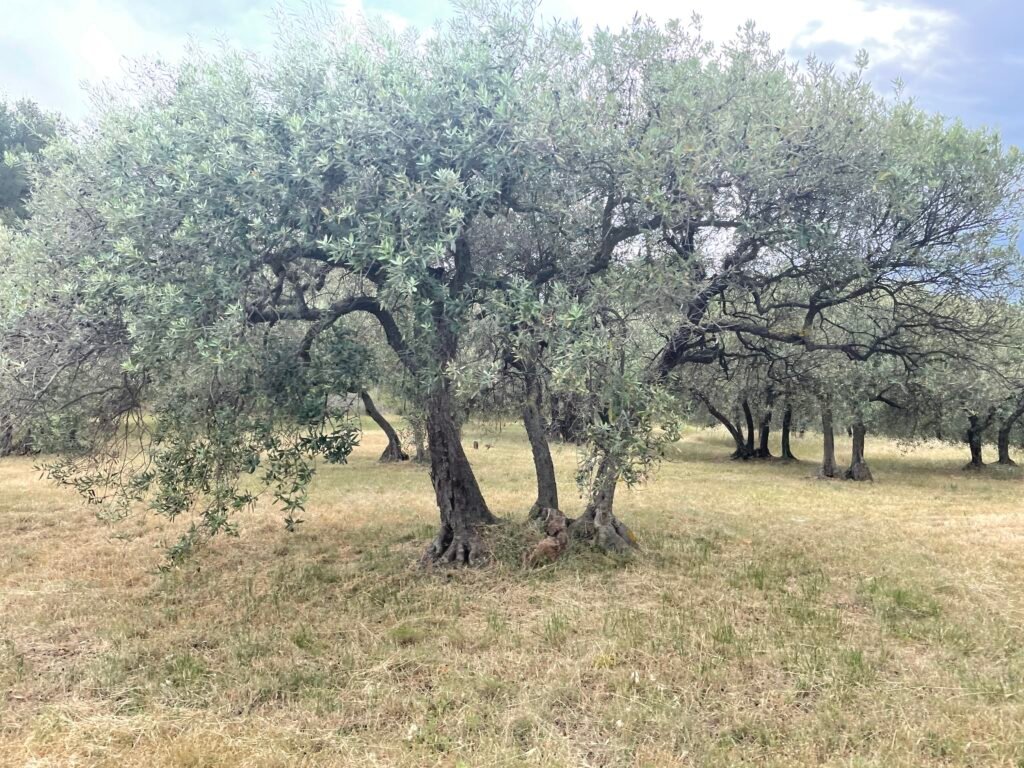
One of the defining charms of the Provençal landscape is its olive trees. Their silvery leaves and twisted branches line terraced hillsides, stretch in neat rows between vineyards, and fill quiet corners among old stone farmhouses and village homes.
France doesn’t produce nearly as much olive oil as Spain or Italy, but it does produce some very high-quality oils, most of them in the Mediterranean south. In fact, about 70% of French olive oil comes from Provence–Alpes–Côte d’Azur, with smaller production areas in Occitanie, the Drôme, and Corsica.
Although Provence is not a leader in quantity produced, this region produces some of the best olive oils in the world. Living in the region, I’ve tasted exceptional olive oils from villages like Callas and Villecroze, where small groves and local mills produce intensely flavorful oils that rarely travel far beyond the surrounding countryside.
Olive Oil in Provence
Olive trees have been cultivated in Provence for more than 2,000 years, dating back to Roman times. Over centuries the region developed a distinctive olive-oil culture shaped by its dry Mediterranean climate, limestone soils, and traditional small-scale agriculture.
Today much of the region’s production falls under the AOP Huile d’olive de Provence designation. This protected appellation covers several departments:
- Var
- Bouches-du-Rhône
- Alpes-de-Haute-Provence
- Vaucluse
Olive oils from Provence are typically known for their herbal aromas, green fruitiness, and gently peppery finish.
The Var: One of the Best Olive Oil Regions in Provence
The Var actually has more olive trees than any other department in Provence, but most production is small-scale and artisanal, so it doesn’t get the same international recognition as Baux or Nyons.
Much of the most interesting olive oil production takes place in the limestone hills of the Haut-Var, where cooler nights and higher elevations allow olives to ripen slowly and develop complex aromas.
Notable olive-growing villages in this area include:
- Callas
- Villecroze
- Tourtour
- Salernes
- Bargemon
- Aups
These villages sit between roughly 250 and 500 meters above sea level. The combination of elevation, dry Mediterranean weather, and rocky soils creates ideal conditions for olives. Many groves are small and family-owned, and olives are often pressed locally within hours of harvest.
Some of the oils from this area are better than many famous AOP bottles because they’re so fresh and come from old groves.
Olive Varieties Used in Provence
Provençal olive oils are rarely made from a single variety. Instead, most producers blend several local olives to create balance and complexity.
Common varieties in the Var include:
Aglandau (Béruguette) – herbaceous with peppery notes
Bouteillan – fruity and grassy
Cayon – mild with almond notes
Salonenque – soft and round
The exact character varies depending on the blend and the harvest timing.
Fruité Vert vs Fruité Noir: A Unique Provençal Tradition
One of the most interesting aspects of olive oil in Provence is that producers often make two completely different styles.
Fruité vert, or green olive oil, is produced by pressing olives soon after harvest. This style tends to be bright, fresh, and herbaceous, with notes of grass, artichoke, and green almond. Many modern olive oils follow this style because it highlights freshness and intensity.
Fruité noir, on the other hand, is a traditional Provençal method. In this process the olives are briefly stored before pressing, allowing a mild fermentation to develop. The resulting oil has a very different character, often reminiscent of black olives or tapenade, with deeper savory notes. It is a flavor profile strongly associated with southern France.
Growing and Harvesting Olive Trees in Provence
Olive trees have been cultivated in Provence for thousands of years. The trees are hardy and long-lived, and many groves contain trees that are decades or even centuries old. Growers prune the trees regularly to keep them healthy and allow sunlight and air to reach the branches.
In late spring, olive trees produce small white blossoms that develop into green olives over the summer. The fruit gradually ripens through the autumn, turning purple or black depending on the variety and the desired style of oil.
Harvest typically takes place between November and January. Olives are often picked by hand or with small rakes that comb the fruit from the branches while nets spread beneath the trees catch the falling olives. Once harvested, the olives are quickly transported to the mill so they can be processed while still fresh.
Freshly pressed olive oil is often brighter in color and more aromatic.. Over the following months the flavors gradually mellow and become rounder. Visiting Provence during harvest season offers a chance to experience this stage when the oil is at its most vibrant.
From Olive to Oil: The Production Process
At the mill, the olives are first cleaned to remove leaves and debris before being washed. They are then crushed into a thick paste that contains the skins, pulp, pits, and natural juices of the fruit.
The paste is slowly mixed to allow the oil droplets to combine, after which the oil is separated from the solids and water using presses or modern centrifuge systems. Because olive oil is extracted purely through mechanical methods, no chemicals are required during production.
Freshly pressed olive oil is typically filtered or allowed to settle before being bottled, preserving the flavors and aromas that reflect the olives and the landscape where they were grown.
Visiting Olive Mills in Provence
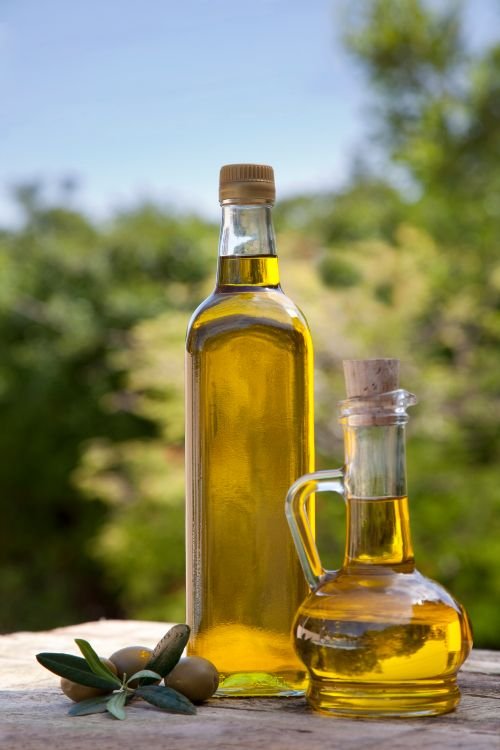
One of the most rewarding ways to discover Provençal olive oil is to visit a moulin à huile, or olive mill. Small mills scattered across the villages of the Var press olives from nearby groves and frequently sell oil directly to visitors.
Tasting olive oil at a mill is quite different from buying it in a shop. The oil is often extremely fresh, sometimes pressed only days earlier, and producers are usually happy to explain the harvest and the varieties used. During harvest season many mills open their doors for tastings, making it a memorable local experience.
How to Taste Olive Oil in Provence
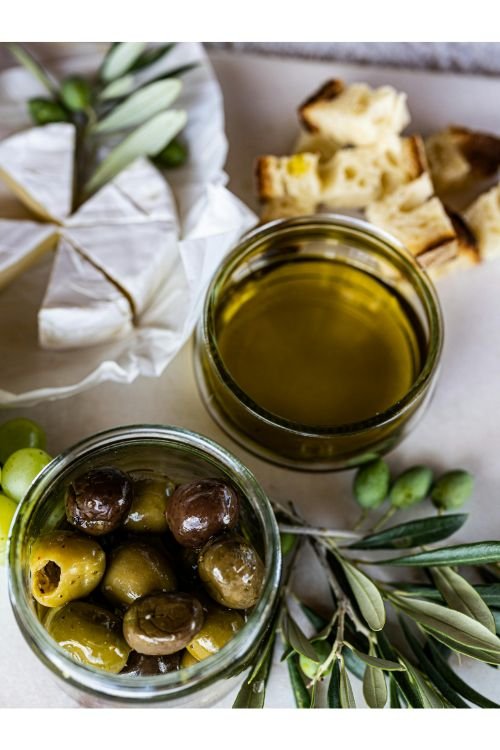
If you visit an olive mill in Provence, you’ll likely be invited to taste the oil before buying it. Tasting olive oil is surprisingly similar to tasting wine, and producers often encourage visitors to pay attention to aroma, texture, and finish.
A simple tasting usually follows a few steps.
First, pour a small amount of olive oil into a glass and warm it slightly in your hand. This helps release the aromas. When you smell the oil, you may notice herbal or green notes such as freshly cut grass, artichoke, or green almond.
Next, take a small sip and let the oil spread across your tongue. Good olive oil should taste fresh and lively. Many Provençal oils have a slightly peppery finish that you feel at the back of your throat—this is a sign of healthy polyphenols and fresh olives.
Finally, pay attention to balance. The best oils combine fruitiness, gentle bitterness, and a hint of spice.
If you enjoy discovering regional foods like olive oil, don’t miss the chance to visit a Provençal market. I’ve shared more tips in my guides to Provence markets and shopping at a French market, where you can find many of the same local products sold by growers and producers.
A Taste of Provence to Take Home
In Provence, olive oil is more than just a cooking ingredient. It is part of the landscape, the history, and the daily life of the region.
In the hills of the Var, small groves and local mills continue producing olive oil much as they have for generations. The scale may be modest, but the freshness and character of these oils are what make them so memorable.
For travelers exploring the area, tasting local olive oil is a simple but rewarding experience. Stop at a village moulin à huile, sample a few varieties, and you may leave with a bottle that captures the flavors of Provence long after the trip is over.