
Is Southern France Windy? The Truth About the Mistral and Other French Winds
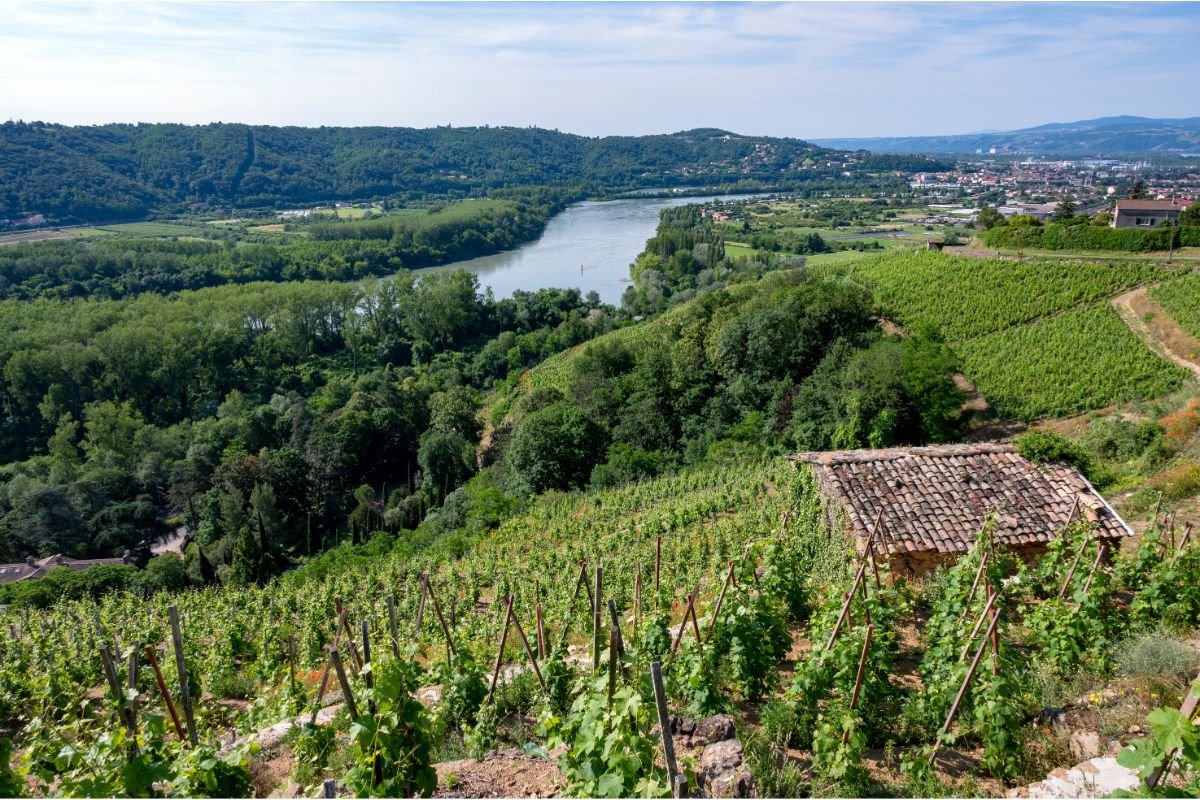
Before moving to southern France, I worried about the wind. After all, few places talk about wind as much as France does—and even fewer give their winds names. The Mistral, the Tramontane, the Autan: hearing these terms repeatedly makes it easy to assume that wind is a constant, unavoidable part of daily life in the south.
I spent a lot of time researching potential places to live and asking for firsthand experiences in expat groups. In the end, we narrowed our search to eastern Provence and the Côte d’Azur, in part because of my concerns about wind. Yet I was still a bit apprehensive. After all, hadn’t I heard the rumors that Van Gogh cut off his ear because of the infamous Mistral?
I needn’t have been so concerned. France’s named winds stand out not because they blow all the time, but because they are distinct, recognizable weather patterns. When a strong wind arrives, people notice it, talk about it, and plan around it. In many other countries, especially flatter regions, the wind might be less dramatic but far more constant, which makes it feel normal rather than noteworthy.
Compared to places like the American Midwest or other open, flat landscapes, much of southern France experiences fewer windy days overall. Hills, valleys, coastlines, and mountain ranges break up air flow, creating calmer day-to-day conditions across large parts of Provence and the Mediterranean coast.
The result is a paradox: southern France has famous winds, but it is not necessarily a particularly windy place to live. Understanding how and where these winds occur helps explain why the reputation exists—and why it doesn’t always match everyday experience.
The Mistral: France’s Most Famous Wind
The Mistral is the best-known French wind and one of the most discussed.
It is a cold, dry wind that blows from the north or northwest, traveling down the Rhône Valley toward the Mediterranean. It most often affects western Provence, including areas around Arles, Avignon, and Marseille.
Meteorologically, the Mistral forms when high pressure settles over northern France while lower pressure develops over the Mediterranean. The geography of the Rhône Valley accelerates the airflow, sometimes producing strong gusts and very clear skies.
Mistral episodes can last anywhere from a single day to several days in a row, but they are episodic, not constant year-round.
Van Gogh and the mistral
Arles is located in one of the windier zones of Provence, within the Rhône Valley where the Mistral is strongest. Vincent van Gogh, who lived in Arles, wrote in his letters about strong winds making outdoor painting difficult and tiring. However, he never directly named the Mistral or linked it to his mental health—an idea that belongs more to local folklore than to historical fact.
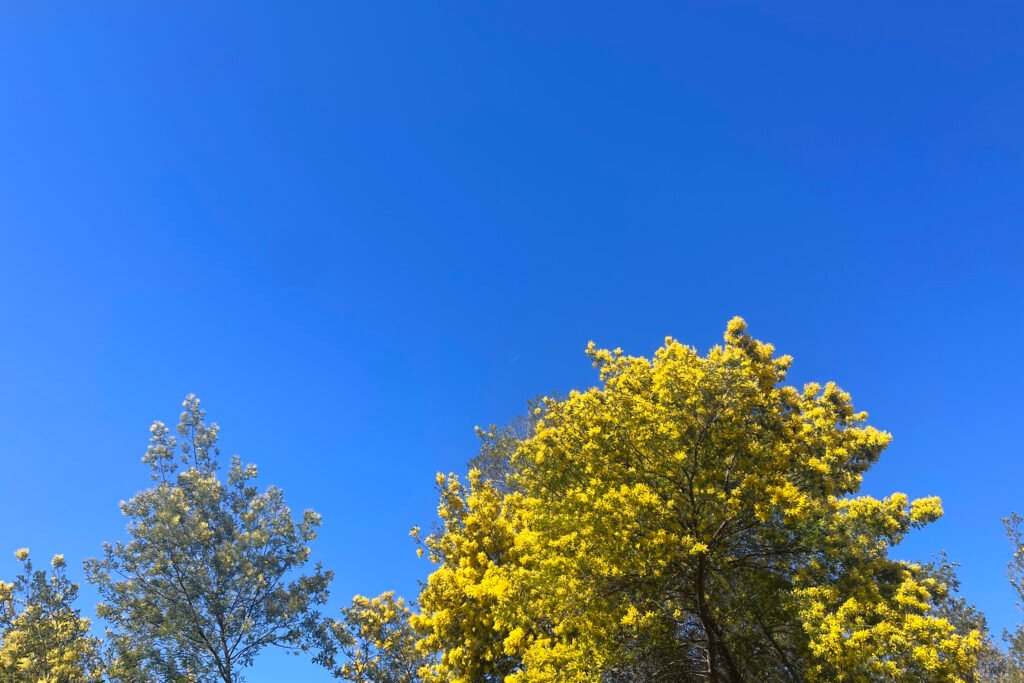
One of the most appreciated effects of the Mistral comes after it passes. By pushing moisture and pollution out of the air, the wind leaves behind exceptionally clear conditions, with deep blue skies and sharp visibility that can stretch for miles. Scientifically, this happens because the Mistral is cold and dry, lowering humidity and scattering fewer particles in the atmosphere—conditions that enhance contrast and clarity. Painters have long valued this light. Artists working in Provence, including Paul Cézanne, were drawn to the crisp outlines, defined shadows, and luminous colors that emerge in its wake. Even today, photographers and painters often note that the days following a Mistral are among the most beautiful, offering a quality of light that feels clean, precise, and unmistakably southern.
The Tramontane and the Wind Corridor of Southern Occitanie
In southern Occitanie, particularly around Narbonne, Carcassonne, and the Aude Valley, wind behaves differently.
This area is influenced primarily by the Tramontane, a cold, dry wind that blows from the northwest. What makes this region distinctive is not just wind strength, but how often and how consistently it blows from the same direction.
The natural gap between the Pyrenees and the Massif Central—often called the Carcassonne Gap—acts as a corridor that channels air between the Atlantic and the Mediterranean. As a result:
- Wind is frequent throughout the year
- Gusts can be sudden and forceful
- The direction is remarkably consistent
Over time, this creates visible effects on the landscape, including trees permanently shaped by prevailing winds. These “flag trees” are a clear sign of long-term exposure, rather than occasional storms.
This is why many people consider the Narbonne–Carcassonne area one of the windiest parts of France in practical, everyday terms.
Other Named Winds You May Hear About
France has several other regional winds that are well known locally:
- The Autan (southwest France): A warm, humid wind that can last for several days, especially around Toulouse.
- The Marin (Mediterranean coast): A moist sea wind that often brings cloud cover and rain.
- The Sirocco (southern France, less frequent): A hot wind originating in North Africa that can carry fine desert dust.
Each wind has its own reputation, but none are constant everywhere—each depends on geography and weather patterns.
Wind, Climate, and Modern France
Climate researchers are continuing to study how wind patterns may shift as temperatures change. In southern France, stronger dry periods combined with wind can increase wildfire risk, particularly in summer.
At the same time, many traditional adaptations like wind-oriented architecture, planting strategies, and seasonal awareness remain effective and relevant today.
Understanding Wind Adds Context, Not Concern
Here in southeastern France, the Mistral appears infrequently, and even then it tends to be subdued. After years of living in the Midwest, where wind is more constant and highly variable, and in Florida, where I experienced tropical storms and hurricanes, these short-lived episodes don’t seem unusual—just another weather pattern to be aware of and adapt to when it occurs.
France’s named winds are best understood as regional characteristics. Some areas experience frequent directional wind, others feel stronger but less regular occurrences, and many regions are relatively calm most of the time. For anyone visiting or considering a move, taking time to understand how and where these winds occur can add insight into the daily weather effects, French landscapes, and even local housing styles.
Why Villages Face South
Many villages in southern France were built facing south to maximize winter sunlight and reduce exposure to cold northern winds. This orientation helped create calmer, warmer living spaces long before modern heating—and it still shapes village layouts today.
Have you always wondered why France is so much warmer than its latitude would suggest? Learn more about France’s unusual climate.