La Chandeleur: Discovering the Meaning Behind France’s Crêpe Tradition
One of the things I love about living in France is that many traditions have been preserved for generations, quietly practiced and passed down without being overhyped or commercialized.
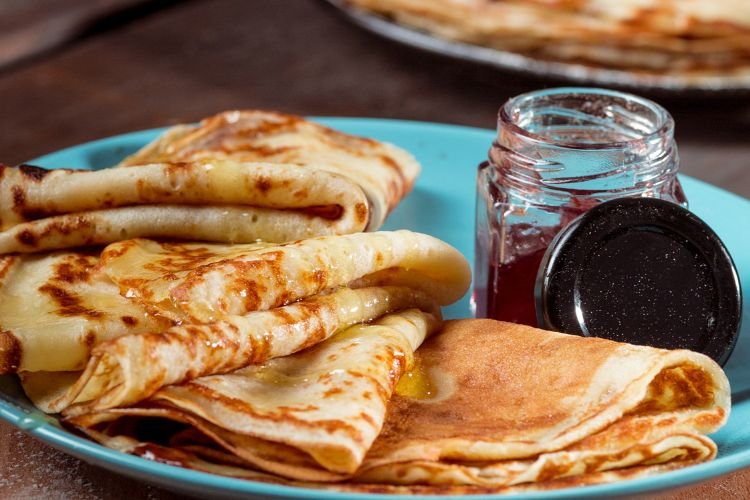
La Chandeleur, celebrated each year on February 2, is a beautiful example of this. Known in English as Candlemas, it is a Christian feast day that commemorates the presentation of Jesus at the Temple, forty days after Christmas. Traditionally, it symbolizes light, renewal, and hope—fitting themes as winter slowly begins to give way to longer days.
Over time, La Chandeleur also became closely associated with crêpes, creating a tradition that blends faith, history, and family in a way that feels uniquely French.
What Is La Chandeleur?
La Chandeleur has its origins in Christianity, marking the moment when Jesus was presented at the Temple and candles were blessed to represent light and protection. For centuries, candles played an important role in the celebration, symbolizing guidance, faith, and the promise of brighter days ahead.
In rural France, the timing of La Chandeleur also aligned with agricultural life. It fell at a moment when people looked ahead to the coming harvest, hoping for abundance and prosperity after the long winter months. This is where food—particularly crêpes—naturally entered the tradition.
Why Crêpes Became Part of the Tradition
Crêpes were likely added to the celebration during the late Middle Ages, as religious observance blended naturally with agricultural customs and everyday life.
Made from wheat flour, they symbolized abundance and a successful harvest. Their round, golden shape was often associated with the sun, a reminder that longer days and warmer seasons were on the horizon. Making crêpes on La Chandeleur became a way of expressing hope for the year ahead—both materially and spiritually.
Today, even for families who don’t actively observe the religious aspects of the holiday, the act of making crêpes remains a meaningful ritual passed down through generations.
The Coin and the Crêpe-Flipping Tradition
One of the most charming customs tied to La Chandeleur is the crêpe-flipping tradition. You hold a coin—traditionally gold—in one hand and flip the crêpe in the pan with the other. A successful flip is said to bring good fortune and prosperity for the coming year.
Historically, the coin—and sometimes the first crêpe—was kept as a symbol of abundance for the household. Today, the gesture is largely symbolic, but the tradition remains a favorite. Traditionally, only one successful flip was needed to bring good fortune to the household, though in many families everyone still takes a turn, more for the shared fun than the outcome.
A New Cherished Tradition
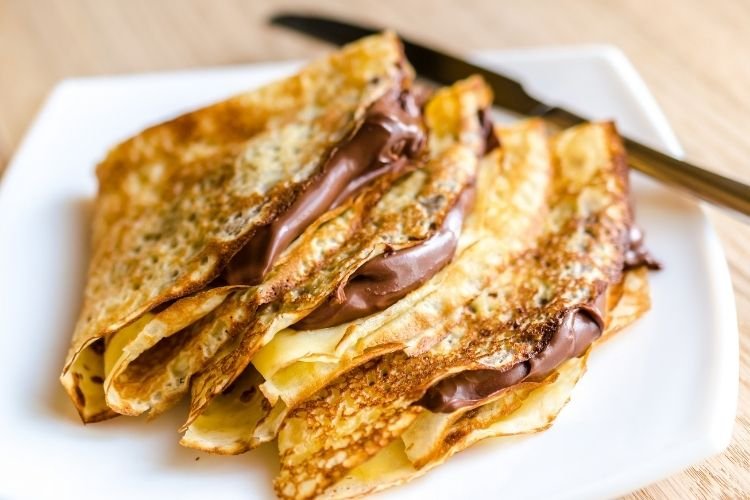
La Chandeleur has become a tradition we never miss. February 2 always includes crêpes. We take turns flipping them (coin in hand, of course), and by now have nearly perfected our techniques. (This was a skill we didn’t mind training for.) The most popular topping in our house is Nutella, often finished with a flourish of chantilly (whipped cream).
Unlike some holidays that feel formal or obligatory, La Chandeleur is cozy, casual, and family-centered. No fancy meals. No pressure. Just batter, a hot pan, and the hope that at least one crêpe lands right-side up.
More sweet traditions
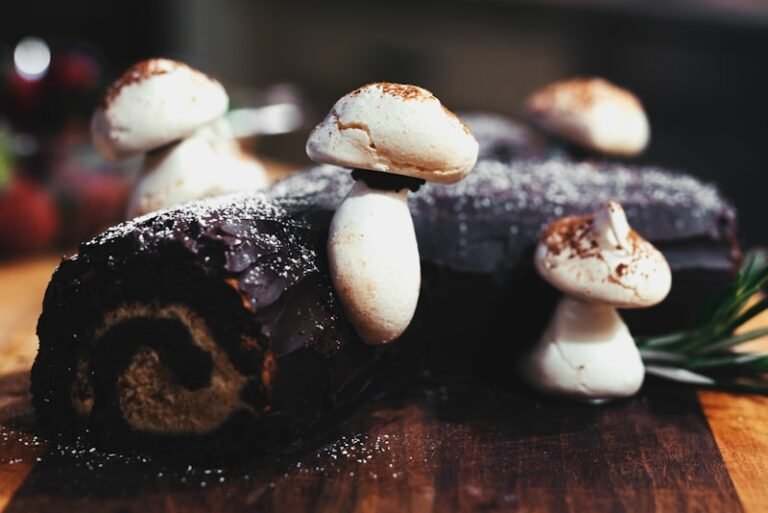
Sweet tooth? You may also enjoy other French special-occasion desserts like the Bûche de Noël and the Galette des Rois.

Classic French Sweet Crêpes
Ingredients
- 1 cup (125g) fluide flour (use all-purpose in the US)
- 1.5 tsp sugar
- 1 pinch salt
- 2 eggs
- 1 cup (250ml) milk
- 1 tbsp (15g) butter, plus more for the pan
- 1/2 tsp vanilla extract
- toppings as desired (see note)
Instructions
- Mix together the flour, sugar, and salt in a bowl.
- Make a well in the center and add the eggs. Whisk gently from the center outward until a thick batter forms.
- Slowly pour in the milk while whisking to avoid lumps, until the batter is smooth and fluid.
- Add the melted (not hot) butter and vanilla. Whisk until fully combined.
- Let the batter rest for 30 min. at room temperature.
- Heat a lightly buttered non-stick or crêpe pan over medium heat.
- For each crêpe: Pour in a small ladle of batter and swirl to coat thinly. Cook 45–60 seconds, until edges lift. Flip and cook 20–30 seconds on the other side.