Regional Trains in France: How to Ride TER Trains Without Stress
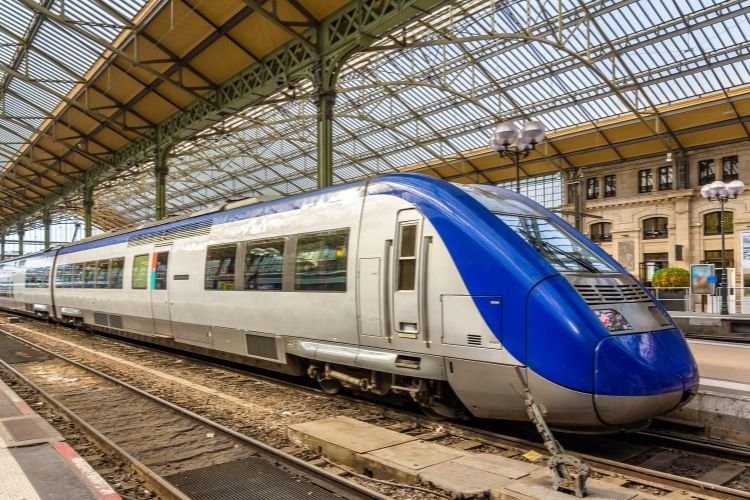
One of the things we love most about living in France is how easy regional train travel can be. When we fly out of Nice, we don’t need to drive or take a taxi— we can simply walk to the station and take a TER train straight toward the airport, watching the Mediterranean roll by outside the window.
That stretch of track along the coast is a reminder of why regional trains are such a joy: seaside views, relaxed pacing, and a feeling of being connected to everyday French life. Regional trains are practical, affordable, and scenic — but they do work a little differently from high-speed trains. Knowing what to expect makes all the difference.
This guide focuses specifically on regional and local trains, how they operate, and how to ride them confidently.
What Are Regional Trains in France?
Regional trains in France are typically labeled TER (Transport Express Régional). They serve:
- Short to medium distances
- Smaller towns and cities
- Commuter and day-trip routes
They are part of the national rail system overseen by SNCF, though some routes are now operated by private companies such as Transdev under regional brands. From a traveler’s point of view, however, the experience works the same way.
Regional trains are efficient and reliable — just more fast-paced than long-distance trains.
How Regional Trains Feel Different From High-Speed Trains
Regional trains tend to feel more like public transit than long-distance travel.
What that means in practice:
- Usually no seat reservations
- Frequent stops
- Short boarding and exit times
- Passengers getting on and off more often
They’re ideal for short trips, with a little awareness needed during boarding and exiting — and an easy, relaxed ride once onboard.
Arrive Early (Even at Small Stations)
One thing that surprises many travelers is that even small stations can involve:
- Stairs
- Elevators
- Underground tunnels to reach platforms
Add to that the fact that platforms are often announced only shortly before the train arrives, and arriving a little early becomes essential. You don’t want to be figuring out stairs or elevators at the last minute while the train is pulling in.
On regional trains, departures are typically identified by the final destination city, not individual intermediate stops. Train numbers are often not displayed at all, so passengers rely on station screens to check the platform assignment once it appears. As long as the final destination city and departure time match your itinerary, you’re on the right train.
On most regional platforms, there is also a screen near the track showing the destination city of the train that is about to arrive, which helps confirm you’re boarding the correct train — especially when multiple trains arrive close together.
I’ll confess that we once boarded the wrong train when heading home from the Nice Airport — I blame jet lag from the overnight flight. A regional train arrived on the assigned track just a few minutes before our scheduled departure, and I assumed it was ours.
Once we were underway, I noticed the onboard screen showed a different destination city. Luckily, there was an intermediate stop that matched our original route, so we got off, waited a few minutes, and boarded the correct train.
One reassuring thing about regional trains is that they stop frequently. If you do make a mistake, it’s usually easy to hop off and correct it without derailing your entire journey.
On many regional routes, tickets are flexible rather than tied to a specific departure. As long as you’re traveling on the same itinerary and in the same class, you can usually take any regional train that day. This flexibility can be especially helpful if you miss a train, arrive earlier than planned, or need to adjust your timing — you can often just catch the next regional service without buying a new ticket.
Ticket rules can vary by route and ticket type, so it’s always worth checking the details on your ticket or in your booking confirmation to be sure.
Tickets: Know Your Options Before You Board
With regional trains, ticket rules — and ticket options — matter.
In addition to single tickets, many regions offer:
- Day passes
- Weekly passes
- Local or regional discount cards
These can be especially cost-effective if you plan to take multiple short trips or commute over several days.
Most regions now have their own transport apps or websites where you can:
- Compare ticket types
- See whether a day or weekly pass makes sense
- Learn about regional discount cards
- Purchase digital tickets directly
Because ticket options vary by region, it’s worth checking the regional transport site or app for the area you’ll be traveling in, rather than assuming one ticket fits all. Tickets can be purchased right up until boarding, provided the train is not sold out.
Paper vs Digital Tickets
- Paper tickets must be validated (composted) in a machine before boarding
- Forgetting to validate can result in a fine
- Digital tickets do not require validation and are often the simplest option
If you’ll be using regional trains frequently, digital tickets and passes are usually easier to manage — and help avoid common mistakes.
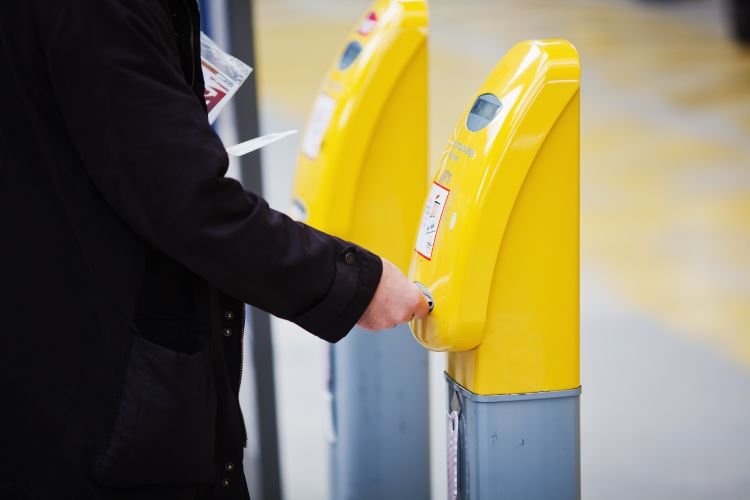
Validating (Composting) Paper Train Tickets: What to Look For
If you’re using a paper ticket on a regional train, it must be validated (often called composted) before you board. This step is easy — but easy to miss if you don’t know what to look for.
What the Validation Machines Look Like
Ticket validation machines are usually:
- Small, waist-high boxes
- Often yellow, orange, or gray
- Clearly marked for ticket validation
You insert one end of your paper ticket into the slot, and the machine prints a small timestamp on it.
Where to Find Them
Validation machines are typically located:
- Near station entrances
- At the top or bottom of stairs leading to platforms
- On platforms themselves
There are often multiple machines in a station, so if one isn’t near you, look around — especially near access points to the tracks.
When to Validate
- Validate your ticket before boarding
- You only need to validate once, even if the journey includes multiple stops
- Do not wait until you’re on the train — validation machines are not onboard
If you’re using a digital ticket (purchased through an app or website), validation is not required. This is one reason digital tickets are often the easiest option for visitors.
Always keep your ticket (and discount card, if applicable) easily accessible for a potential inspection onboard. Traveling with an unvalidated paper ticket can result in a fine — even if you paid for it. Controllers expect tickets to be validated, and “not knowing” isn’t a valid excuse. Your ticket may not be checked on every journey, but inspections are common enough that it’s best to be prepared.
Boarding Etiquette: Be Ready
Regional trains don’t linger at stations.
- Let passengers exit before boarding
- Have your ticket ready
- Board promptly when doors open
Luggage on Regional Trains
Regional trains are generally forgiving when it comes to luggage, but smaller is still better.
- Overhead racks and open spaces near doors are common
- Large suitcases can be awkward during crowded periods
- Carry-on backpacks are often easiest for:
- Quick boarding
- Stairs and tunnels
- Short exits
If the train is busy, keep bags close and avoid blocking aisles or doors. Always keep bags zipped and consider using a small lock — even for bags at your feet.
reparing to Exit: Allow a Little Extra Time
On regional trains, stops tend to be brief and frequent, so it helps to think a step ahead as your destination approaches.
You may find it easier to:
- Start getting ready one or two stops before your destination
- Gather your bags and move toward the exit at a relaxed pace
- Be near the door when the train arrives
This way, stepping off feels smooth and unhurried — especially if you’re on the upper level or traveling with bags.
Pickpocket Awareness on Regional Trains
Regional trains and stations can be busy, especially during commuting hours and at popular tourist stops.
Be mindful of pickpockets:
- In crowded stations
- On busy platforms
- During boarding and exiting, when people are distracted
Simple precautions go a long way:
- Keep bags zipped and closed
- Avoid exterior pockets for valuables
- Keep phones and wallets secure when moving through crowds
France is generally safe, but awareness is key during moments of distraction.
Food, Comfort & Expectations
Most regional trains:
- Do not have food or drink service
- May be crowded during peak times
- Are perfectly comfortable for short trips
Bring water or snacks if needed, especially for longer regional routes.

Why Regional Trains Are Worth It
Once you understand the rhythm, regional trains are one of the best ways to explore France:
- Easy access to small towns
- Scenic routes
- Affordable and efficient
- No need to worry about finding or paying for parking
They’re not complicated — they just require a slightly quicker pace and a bit of preparation.
Final Thoughts
Regional trains are a reminder that in France, getting from place to place doesn’t have to be stressful. Whether you’re riding along the Mediterranean or taking a day trip from Paris, they make everyday travel simple.
Arrive with a little extra time, stay aware of your surroundings, and you’ll find regional train travel both practical and surprisingly enjoyable.
If you’re planning multiple train journeys in France, it can also help to understand how regional trains differ from high-speed routes. I explain the basics in French Train Travel Explained: High-Speed vs Regional Trains, and if you’ll be taking longer journeys, you may also want to read How to Travel on High-Speed Trains in France.
Where to Buy Train Tickets in France
(Official Sites)
For the most accurate schedules and prices, it’s best to book directly through official rail sites.
France-Wide Train Bookings (High-Speed & Long Distance)
For TGV, Intercités, OUIGO, and many national routes, use:
SNCF Connect https://www.sncf-connect.com
This is the official booking platform for most long-distance and high-speed trains in France, with an English-friendly interface and digital tickets.
Regional Trains (TER & Local Routes)
For regional trains, local passes, and region-specific ticket options, use:
TER https://www.ter.sncf.com
Each French region has its own TER pages with information on tickets, passes, regional discount cards, and local schedules and promotions. Because ticket options vary by region, checking the TER site for the area you’ll be traveling in can be especially helpful.
Official Apps Both SNCF Connect and many regional TER systems offer official mobile apps, which allow you to buy and store digital tickets (avoiding paper ticket validation) access schedules and updates on the go, and get additional train information.
A Quick Note on Private Operators Some regional routes are now operated by private companies under regional contracts, and additional high-speed operators are planned for the future. For travelers, ticketing still works through the same official platforms, and the booking process remains consistent.
Traveling beyond France by train?
If your journey crosses into another country, I’ve put together a separate guide on how to buy cross-border train tickets in Europe, including which sites are best for planning routes and which are best for booking.