Lavender Blooom Bliss on the Valensole Plateau
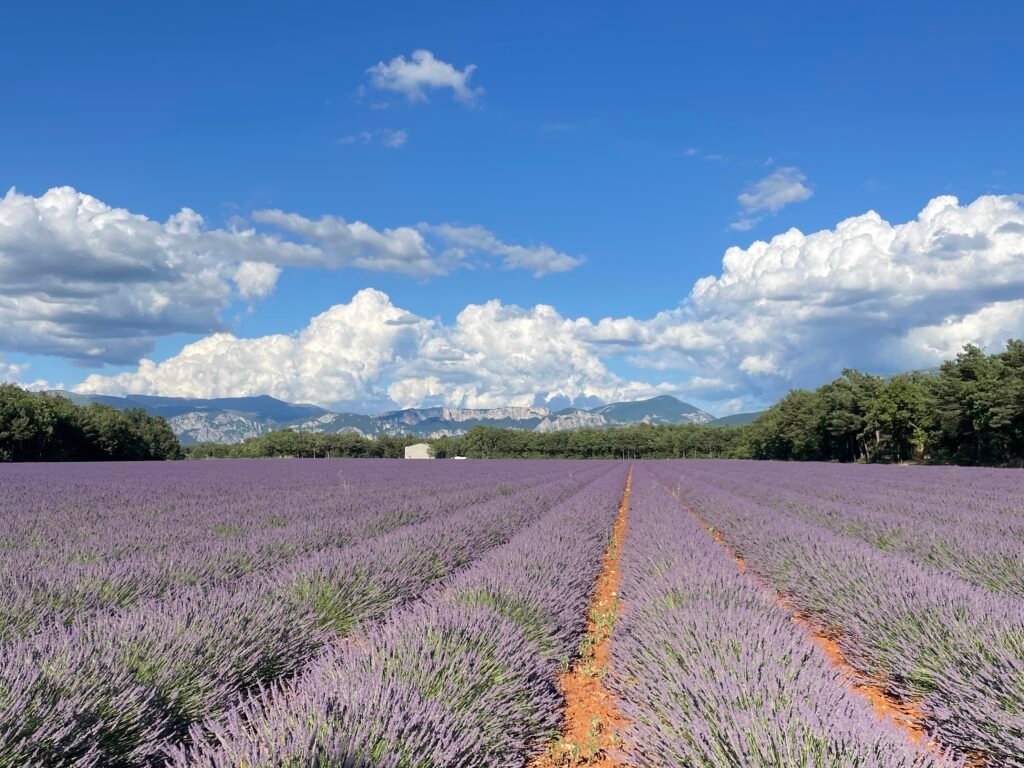
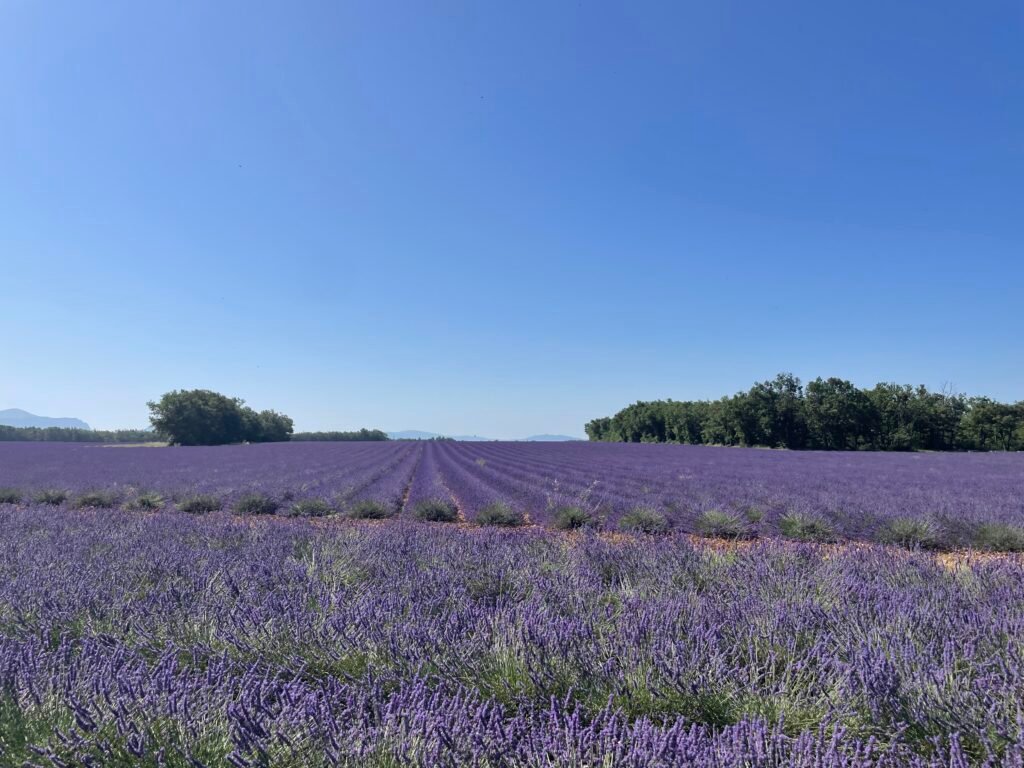
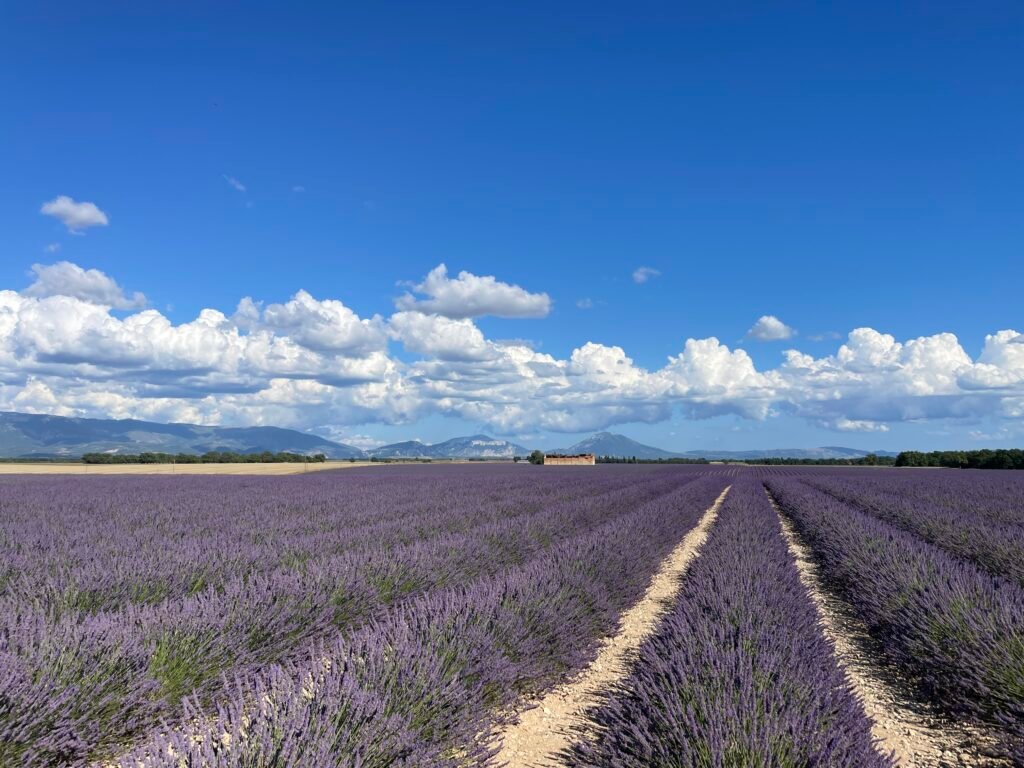
Lavender season in Provence is a full sensory experience — the sight of endless purple fields, the hum of bees, the warmth of the sun, the texture of dry earth underfoot, and the unmistakable scent of lavender carried on the breeze. Each summer, the wide Valensole plateau transforms into rolling waves of purple framed by the soft silhouettes of distant mountains. It’s the image most people carry of Provence, but seeing it in person is something else entirely.
This guide is a complete primer on visiting Valensole during lavender season: when to go, what you’ll see, how the landscape is changing, which lavender products are popular, and how to pair the fields with nearby highlights like Moustiers-Sainte-Marie and the Gorges du Verdon.
Why Lavender fields Thrive in Valensole
The Valensole Plateau sits high enough to stay relatively dry, with long hours of sun and limestone-rich soil that lavender loves. These conditions help the plants develop concentrated essential oils, which is why lavender from this region is so highly regarded.
Lavender has been cultivated here for generations, shaping both the landscape and the local economy. While harvesting methods have evolved, the seasonal rhythm remains the same — planting, blooming, harvesting — and summer in Valensole still revolves around the fields.
When Is Lavender Season in Valensole?
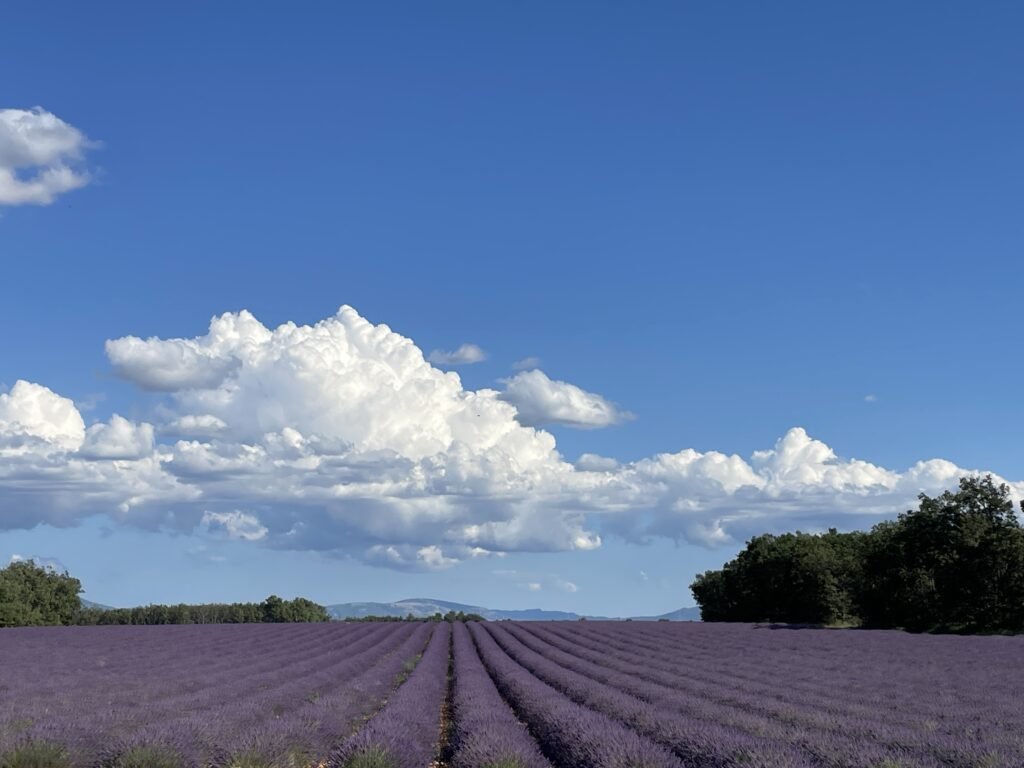
Lavender generally begins blooming in late June, with peak color arriving in early July. Harvest usually starts sometime in mid to late July, depending on weather conditions. Hot springs or early heat waves can push the season forward, while cooler or wetter years may delay it slightly.
If your goal is to see full, vibrant purple fields, early July is typically the safest choice. Morning and evening light bring out the richest color and make the experience far more pleasant in the summer heat.
The Lavender Fields — and other complementary crops
Driving the small roads around Valensole village reveals field after field of lavender, sometimes stretching uninterrupted to the horizon, sometimes appearing suddenly as you crest a hill. These are working farms, and the fields shift from year to year, which is part of what makes exploring so rewarding.
While lavender dominates the landscape, it’s far from the only crop grown on the plateau. Wheat, helichrysum, sunflowers, clary sage, and other crops rotate through the plateau, creating a constantly changing patchwork. This crop diversity helps preserve soil health and reflects the realities of modern farming in a fragile climate.
Climate Change and the Changing Landscape
Lavender is resilient, but it is not immune to climate change. Hotter summers, prolonged droughts, and unpredictable weather have reduced yields in some years and forced farmers to adjust planting schedules or reduce acreage.
Visitors sometimes arrive expecting endless purple, only to find harvested fields earlier than planned. Understanding these challenges adds context to the experience — and makes supporting local producers all the more meaningful.
Lavender Tours, Distilleries & Local Experiences
Many farms around Valensole open their doors during the season, offering insight into how lavender is grown and transformed. Distillation demonstrations show how flowers become essential oil, while farm shops sell products made just steps away from the fields.
Guided tours are available for those who want deeper context, but Valensole is also wonderfully suited to independent exploration. Driving at your own pace allows you to linger at you favorite spots and move on when the crowds gather.
Lavender Products Worth Bringing Home
One of the joys of visiting Valensole is seeing lavender move beyond the landscape. Essential oils, floral waters, soaps, sachets, lavender honey, and culinary lavender are widely available, often produced by the same families who grow the fields. Buying locally ensures quality and helps sustain the farming traditions that make lavender season possible in the first place.
Lavender has long been valued for its calming properties and versatility. It’s used to promote relaxation and sleep, soothe skin, scent homes, and even flavor desserts and teas when used sparingly. Witnessing the unforgettable beauty of lavender in bloom adds depth to the experience of using lavender at home, taking you back to this very special place each time you smell it again.
Practical Tips for Visiting During Lavender Season
Lavender season draws crowds, especially in early July. Arriving early in the day or staying nearby allows you to enjoy the fields more quietly. Shade is limited, so sun protection is essential, and it’s important to respect private property — many fields are being actively farmed.
Getting around Valensole is much easier with a car, and renting one is highly recommended if you want maximum flexibility during lavender season. The fields are spread across the plateau and change from year to year, so having your own vehicle allows you to explore at your own pace, shop roadside stands without hurry, and detour when something catches your eye.
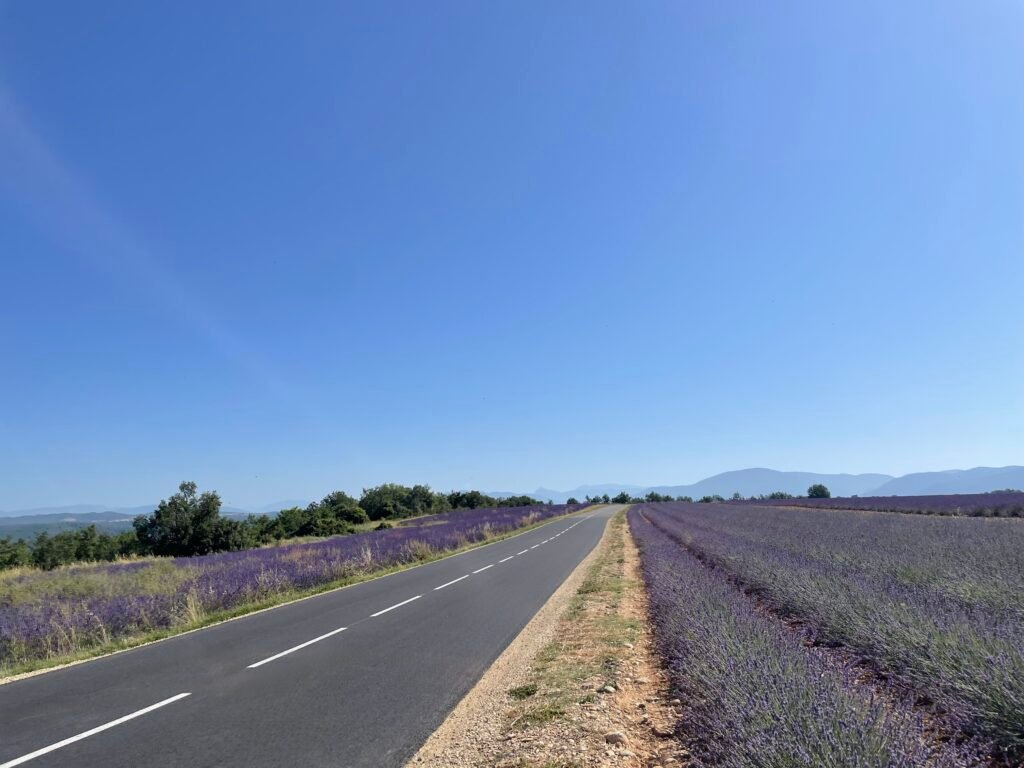
Most visitors use Valensole village as a starting point, then explore the surrounding roads that loop through the plateau and connect nearby hamlets and farming areas. These quiet routes are part of the experience — some of the most beautiful fields appear unexpectedly along smaller roads rather than at marked viewpoints.
Public transportation is very limited in this area, especially during peak lavender season, and guided tours follow fixed routes and schedules. If you’re visiting independently, plan a loose loop rather than a strict itinerary, allowing time to pull over safely, enjoy the scenery, and move on when crowds gather. The local tourism boards and other promotional sites offer guidance on yearly routes and activities.
As always, respect private property and working farms, and remember that bloom timing varies every year. Flexibility — both in routing and expectations — is the key to enjoying Valensole at its best.
Valensole, Moustiers & the Gorges: My Favorite Lavender Season Combination
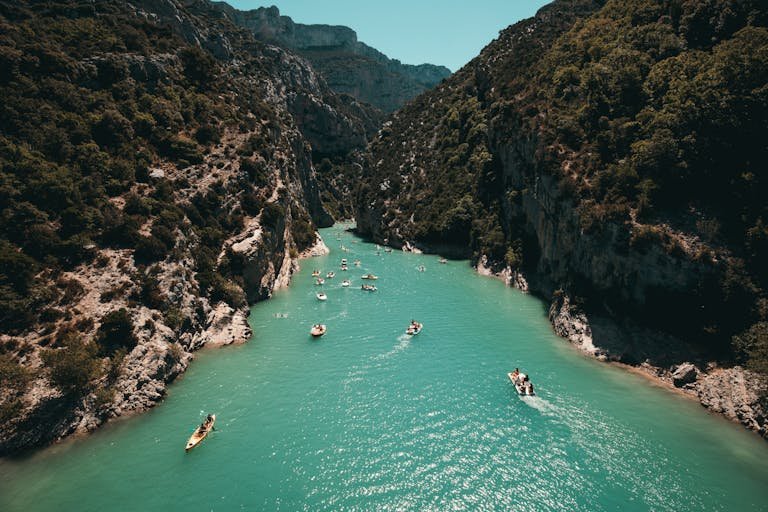
One of my favorite ways to experience lavender season is to combine Valensole with a visit to nearby Moustiers-Sainte-Marie and time in the Gorges du Verdon. The contrast is perfect: soft, fragrant fields followed by dramatic cliffs and turquoise water.
We often bring our dogs along, and watching them experience the lavender is a joy in itself. They seem completely intoxicated by the scent — noses lifted to the breeze, lingering longer than usual as if they’re trying to absorb it all. Lavender isn’t just something you see here; it’s something you feel.
The fields themselves are alive with sound. The steady hum of bees moving from plant to plant is constant and surprisingly calming. Despite their numbers, they’re completely uninterested in people — far too busy with the lavender to bother you. Standing among the rows, surrounded by that gentle buzz, feels meditative rather than intimidating.
We like to come up from the south, taking a left onto the D49 in order to go around the south end of the Lac de Sainte-Croix. The views of the Lac are stunning as you ascend to the plateau. After a morning taking in the fields, we’ll often head toward the Pont du Galetas bridge area at the Gorges du Verdon (at the northeast end of the Lac de Sainte-Croix) to kayak or paddle board up and down the river, and follow it up with some delicous honey lavender gelato in nearby Moustier-Sainte-Marie, ranked one of the “most beautiful villages in France”, and rightfully so.
Why Valensole should be on your bucket list
Lavender season in Valensole offers more than iconic views — it offers a deeper connection to Provence. The combination of fragrant fields, historic villages like Moustiers-Sainte-Marie, and the dramatic landscapes of the Gorges du Verdon creates one of the most rewarding ways to awaken your senses and experience southern France in summer.