French Train Travel Explained: High-Speed vs Regional Trains
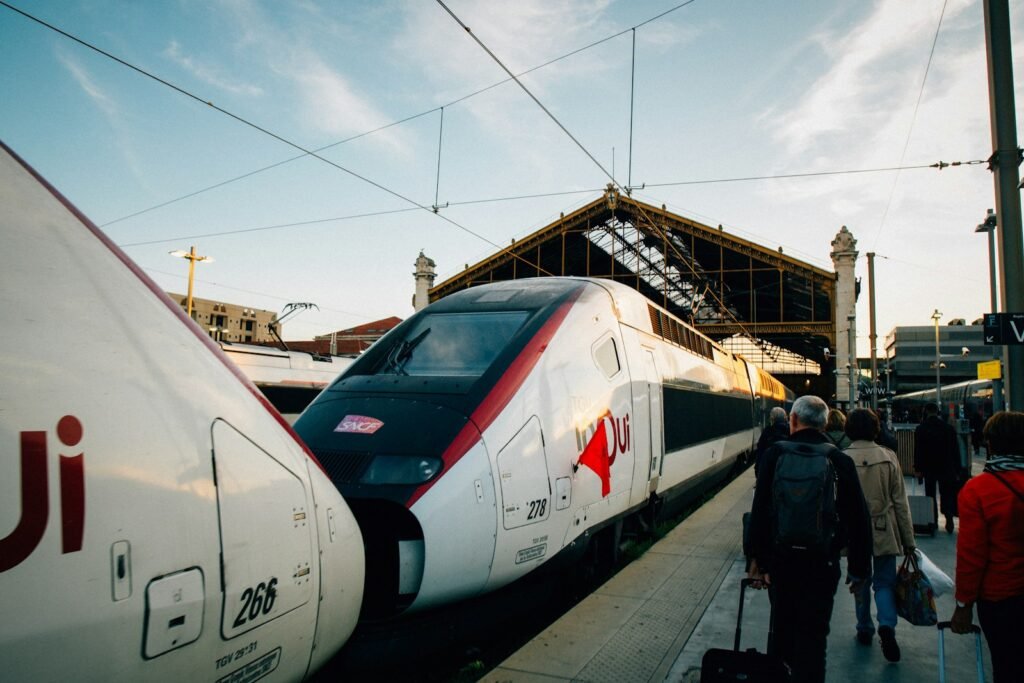
Train travel in France is one of the most convenient and enjoyable ways to get around the country. Whether you’re crossing France on a high-speed train or hopping between nearby towns, trains are often easier than flying: no long security lines, no strict liquid rules, and no traveling far outside the city just to reach an airport.
You usually depart from and arrive directly in city centers, which makes train travel both efficient and surprisingly relaxing. On longer journeys, trains offer comfortable seats, space to move around, and scenic countryside views — a far cry from cramped airplane cabins.
That said, the French train system does have its own logic, rules, and rhythms. Understanding the difference between high-speed and regional trains is the key to feeling confident instead of confused. This guide explains the basics so you know what to expect — and which detailed guide to read next.
Why Train Travel in France Is So Convenient
For visitors, trains offer several major advantages:
- City-center to city-center travel (no airport transfers)
- Comfortable seating and large windows
- Freedom to move around during the journey
- Beautiful scenery, especially on longer routes
- Easier boarding and exiting than planes
While long-distance trains can sometimes appear more expensive than discount airlines, the comparison often changes once you factor in airline luggage fees, transportation to and from airports, and extra time spent in terminals. With early booking, fare sales, and discount cards, train travel in France can be very cost-effective — and far more pleasant.
Understanding the French Train System (At a Glance)
France’s rail network is historically operated by SNCF, but in recent years some regional routes have begun to be operated by private companies under public contracts.
For travelers, the experience remains largely the same — stations, ticketing systems, and onboard rules are consistent — but the rail system is slowly opening to competition behind the scenes.
Broadly speaking, French passenger trains fall into two categories:
- High-speed & long-distance trains
- Regional & local trains
Both are efficient and reliable, but they function differently, which is why travel advice can vary depending on which type you’re taking.
High-Speed & Long-Distance Trains: The Big Picture
High-speed and long-distance trains connect major cities and cover large distances quickly.
At a glance, these trains typically:
- Travel fast with fewer stops
- Offer reserved seating
- Feel calmer and more relaxed
- Are ideal for longer journeys
These are the trains many travelers find surprisingly enjoyable. They’re designed for comfort, with room to settle in, enjoy the view, and treat the journey as part of the experience rather than something to endure.
👉 If you’re taking one of these trains, read next:
High-Speed Trains in France: How to Travel by TGV With Ease
Regional & Local Trains: The Big Picture
Regional and local trains serve smaller towns, commuter routes, and short-to-medium distances.
At a glance, these trains typically:
- Make frequent stops
- Often have no seat reservations
- Board and exit quickly
- Feel more like efficient public transit
On some routes, regional trains are now operated by private companies such as Transdev, often under regional brands like ZOU! in southern France. From a passenger’s perspective, however, the system works the same way.
👉 If you’re taking a regional or local train, read next:
Regional Trains in France: How to Ride TER Trains Without Stress
What’s the Same on All French Trains
No matter which type of train you’re taking, a few things are universally true:
- Arrive early — platforms are often announced shortly before departure
- Even small stations may require stairs, elevators, or tunnels to reach tracks
- Keep your ticket and any discount card easily accessible
- Follow posted rules (class of travel, seating etiquette, pets, luggage)
- Digital tickets are usually the simplest option
- Be mindful of pickpockets, especially in busy stations, on crowded platforms, and during boarding or exiting
- Keep bags zipped and closed
- Avoid placing valuables in exterior pockets
- Stay alert during moments of distraction, such as rushing to board or retrieving luggage
Understanding these basics alone helps avoid many common travel mistakes — and can help keep your trip stress-free.
Understanding Train Displays in France
In France, trains are usually identified by their final destination, which is not always your destination. That city name is what appears on station departure boards and platform screens, so it’s helpful to know it in advance.
Train numbers are not always shown — especially on regional services — and passengers typically rely on the station screens to confirm the correct platform (track) rather than the train number itself.
Before boarding, always check:
- The final destination city listed on the screen
- The scheduled departure time
- The platform number, once it appears
If those details match your itinerary, you’re in the right place — even if you don’t see your stop name or a train number displayed.
Looking Ahead: More Competition on the Rails
Additional private train brands — particularly for high-speed routes — are currently in development and expected to launch in the coming years. These may eventually bring more choice and competition, but for now, most long-distance services still operate within the SNCF system.
For travelers today, the experience remains consistent and well organized.
Which Guide Should You Read Next?
This article is your orientation. For step-by-step, practical advice tailored to your specific train type, continue here:
- Taking a long-distance or high-speed train?
High-Speed Trains in France: How to Travel by TGV With Ease - Taking a regional or local train?
Regional Trains in France: How to Ride TER Trains Without Stress
Final Thoughts: One of the Best Ways to Experience France
Train travel in France is efficient, comfortable, and often genuinely enjoyable. Once you understand how the system works — and which type of train you’re taking — the experience becomes smooth and even relaxing.
With a little preparation, trains allow you to see more of France with less stress, less hassle, and more time enjoying the journey itself.
Where to Buy Train Tickets in France
(Official Sites)
For the most accurate schedules and prices, it’s best to book directly through official rail sites.
France-Wide Train Bookings (High-Speed & Long Distance)
For TGV, Intercités, OUIGO, and many national routes, use:
SNCF Connect https://www.sncf-connect.com
This is the official booking platform for most long-distance and high-speed trains in France, with an English-friendly interface and digital tickets.
Regional Trains (TER & Local Routes)
For regional trains, local passes, and region-specific ticket options, use:
TER https://www.ter.sncf.com
Each French region has its own TER pages with information on tickets, passes, regional discount cards, and local schedules and promotions. Because ticket options vary by region, checking the TER site for the area you’ll be traveling in can be especially helpful.
Official Apps Both SNCF Connect and many regional TER systems offer official mobile apps, which allow you to buy and store digital tickets (avoiding paper ticket validation) access schedules and updates on the go, and get additional train information.
A Quick Note on Private Operators Some regional routes are now operated by private companies under regional contracts, and additional high-speed operators are planned for the future. For travelers, ticketing still works through the same official platforms, and the booking process remains consistent.
Traveling beyond France by train?
If your journey crosses into another country, I’ve put together a separate guide on how to buy cross-border train tickets in Europe, including which sites are best for planning routes and which are best for booking.