Why Is Chocolate Cereal So Popular in France?
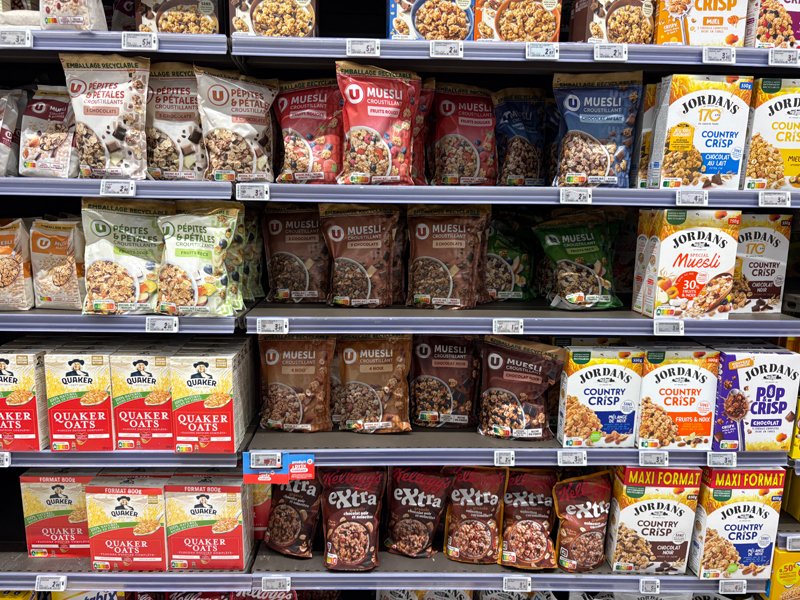
Walk down the cereal aisle in a French supermarket and one thing quickly stands out: chocolate is everywhere.
There are chocolate flakes, chocolate-filled cereals, chocolate granolas, and mueslis with dark chocolate pieces mixed into the oats and nuts. Even cereals that seem aimed at adults often contain cocoa or small chunks of chocolate. Many varieties even come in both dark and milk chocolate versions.
If you’re used to American cereal aisles, where fruit flavors and frosted varieties dominate, the French shelves can feel surprisingly chocolate-heavy. At first glance it almost looks like dessert for breakfast.
But this pattern actually reflects broader French breakfast habits.
Cereal Isn’t the Traditional French Breakfast
Cereal has never been the centerpiece of breakfast in France the way it is in the United States.
A typical French breakfast is usually quite simple and often centered around bread and coffee. Many people start the day with something like:
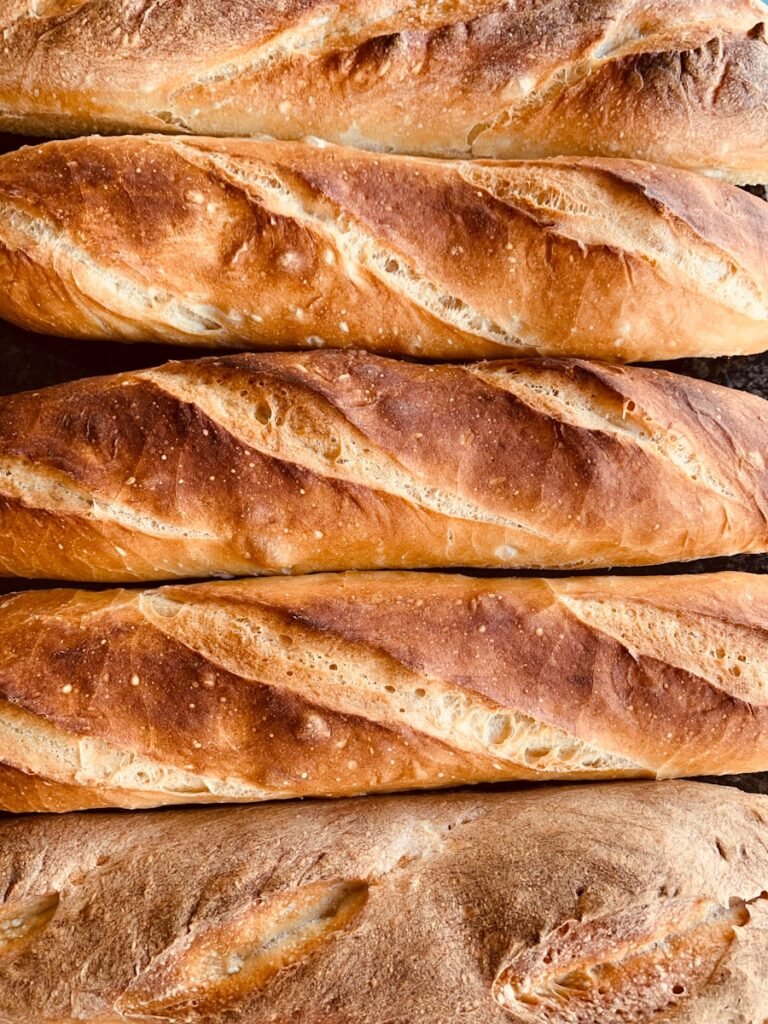
- a baguette or tartine with butter and jam
- a croissant or pain au chocolat
- yogurt
- coffee or café au lait
Because of this, cereal entered the French breakfast routine later, largely through supermarket culture and international brands. Even today, many French adults still prefer bread or pastries in the morning.
Cereal Is Often Associated with Children
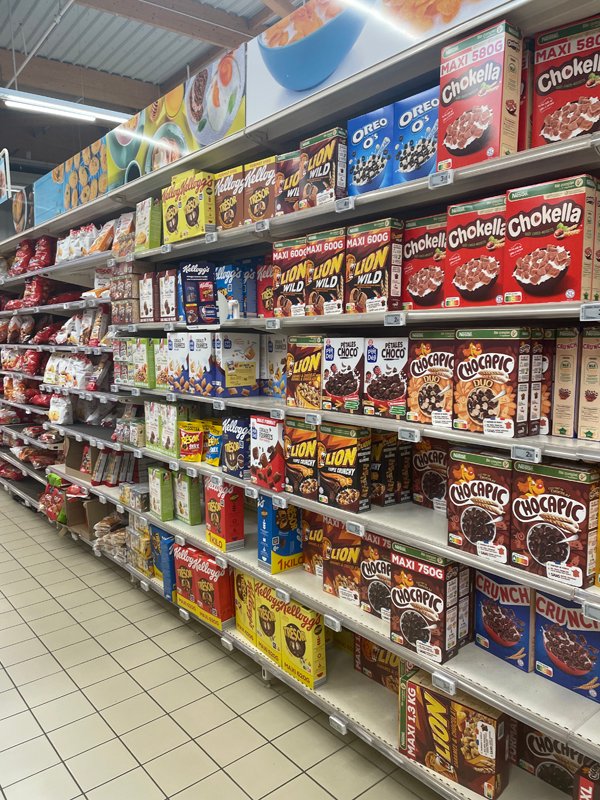
In many French households, cereal is especially popular with children. It’s quick, easy before school, and widely available in supermarkets.
This is reflected in the cereals that dominate the shelves. Several well-known varieties are strongly associated with French childhood, including:
- Chocapic – chocolate wheat flakes and one of the most recognizable cereals in France
- Nesquik cereal – small chocolate balls designed to turn the milk chocolatey
- Lion cereal – inspired by the chocolate bar
- Trésor – pillow-shaped cereals filled with chocolate cream
For many families, these cereals are simply a convenient option for busy mornings.
Chocolate Is a Normal Breakfast Flavor in France
Part of the explanation lies in the way chocolate is viewed in French food culture.
In the United States, chocolate is often associated mainly with desserts. In France, chocolate appears regularly in everyday breakfast foods. A few common examples include pain au chocolat, chocolate spread on bread, chocolate yogurt, and chocolate brioche.
Because these flavors are already familiar at breakfast, chocolate cereal doesn’t feel unusual. It sits comfortably alongside other sweet morning foods.
Even “Adult” Cereals Often Include Chocolate
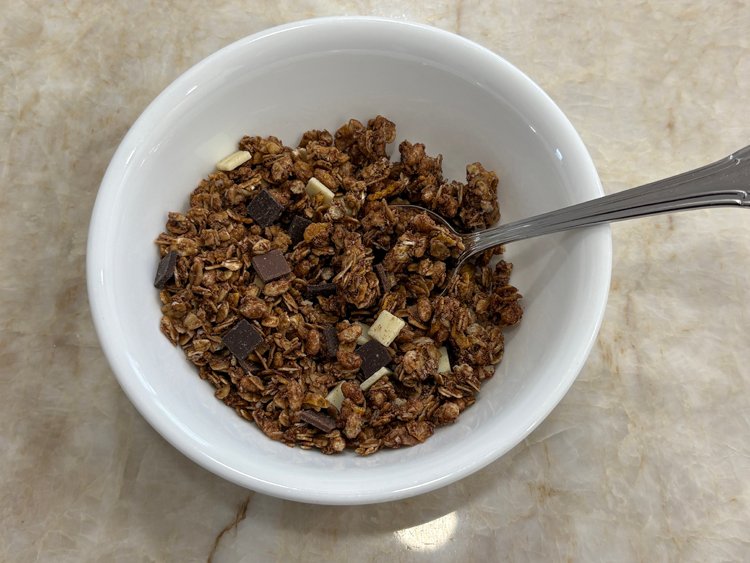
Another interesting feature of French cereal aisles is how often chocolate appears in cereals marketed toward adults.
Granolas and mueslis frequently combine oats, nuts, and chocolate. Some common combinations include chocolate with almonds, hazelnuts, or coconut. These cereals are often packaged more simply and emphasize whole grains or fiber, yet the chocolate element remains.
Rather than being limited to children’s cereals, chocolate appears across many categories of breakfast cereals.
Chocolate Cereals in France Often Taste Less Sweet
Another subtle difference is the flavor profile.
Many chocolate cereals in France rely more on cocoa flavor than heavy sugar coatings. While they are still sweet, the chocolate taste can lean slightly darker and less sugary than some American cereals.
That balance may be one reason chocolate works so well across both children’s and adult cereals.
A Small Window Into French Breakfast Culture
The chocolate-filled cereal aisle might seem unusual at first, especially if you come from a place where chocolate is mostly associated with dessert. But in France it fits right in with the rest of the breakfast table. After all, when a country already considers pain au chocolat a perfectly normal way to start the day, a little chocolate in your cereal hardly feels out of place—and I have to admit, it’s a tradition I’m happy to enjoy now and then.
Chocolate appears in so many everyday foods here that it quickly starts to feel normal. Even familiar chocolate candy bars taste a little different in France, something I wrote about in another article. And if you’ve ever ordered a thick cup of chocolat chaud in a French café, you already know that the French take their chocolate seriously.